Empowering Women Through School Wellness: The Rise of Holistic Health Education in 2025
In 2025, schools across the United States and beyond are blossoming into vibrant centers of holistic wellness, redefining how young women engage with their health and well-being. Far from traditional health classes confined to anatomy and hygiene, today’s school wellness programs fuse nutrition, physical education, behavioral health, and cultural responsiveness into a dynamic, empowering curriculum crafted to foster lifelong healthy habits.
This evolution is more than a curriculum update. It is a cultural shift that equips girls with knowledge, skills, and confidence to navigate complex health landscapes, embracing self-care as a form of empowerment and self-expression.
From Statutes to Schoolyards: Florida’s Health Education Blueprint
Florida offers a leading example of this transformation. Its latest statutes mandate classroom instruction that goes beyond the basics to emphasize the benefits of regular exercise, healthful eating, and the dangers of tobacco use and exposure. According to Florida Statute Section 1003.453, the law ensures students receive consistent, age-appropriate education aligned with the United States Department of Agriculture (USDA) dietary guidelines.
Students gain access to comprehensive nutritional content encouraging informed food choices that sustain both physical vitality and mental clarity. The statute also calls for wellness classes led by licensed nutrition professionals who train teachers and staff, creating a ripple effect of wellness modeling throughout the school community. Such provisions mark a powerful investment in preventive health, aiming to instill habits that reduce chronic disease risks and mental health challenges from an early age.
Coordinated School Health: Integrating Eight Pillars for Holistic Impact
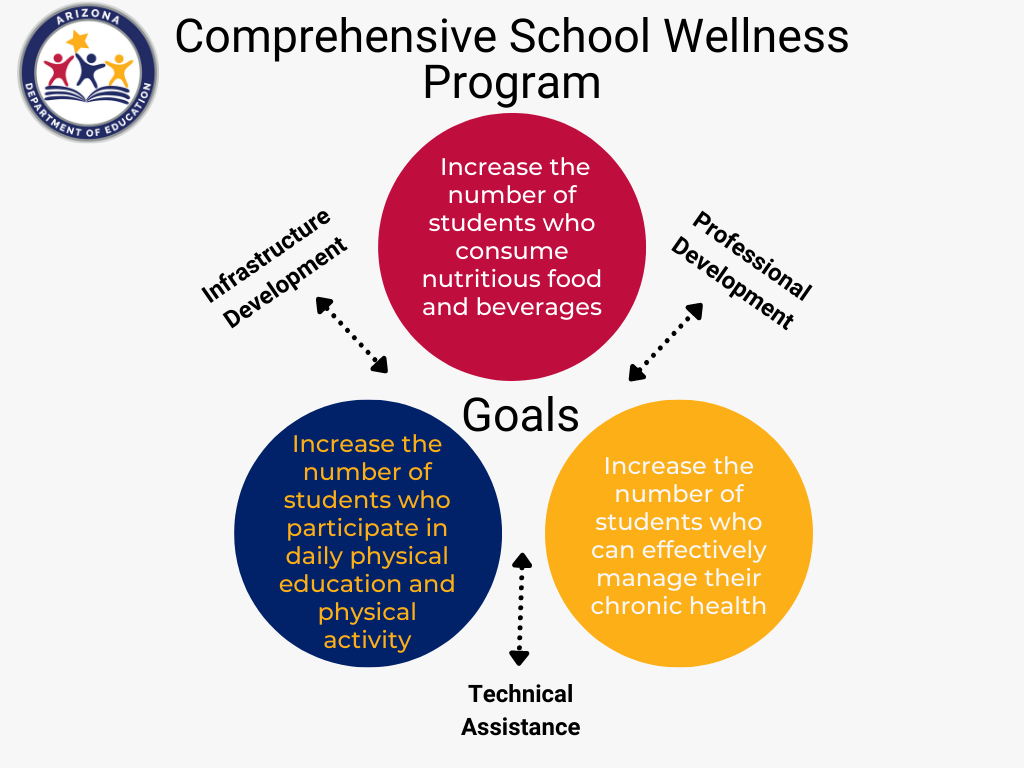
Beyond nutrition and physical education, the vision for school wellness in 2025 embraces the nationally recognized eight components of coordinated school health:
- Health Education
- Physical Education
- Health Services
- Nutrition Services
- Counseling, Psychological & Social Services
- Healthy School Environment
- Health Promotion for Staff
- Family and Community Involvement
This comprehensive framework embeds wellness into every aspect of school life, ensuring that girls experience consistent support—not just in the classroom, but through access to health services, mental health counseling, and a school culture that prioritizes safety and inclusion.
Licensed health professionals collaborate with educators to deliver trauma-informed and culturally responsive programming that nurtures resilience, emotional intelligence, and social wellness. This approach creates safe spaces where girls feel valued and empowered to express their identities authentically.
The Collective Impact: Lessons from San Bernardino County’s Wellness Conference
At the forefront of this holistic movement, the 2025 San Bernardino County Wellness Conference (held at the Disneyland Hotel in Anaheim, California) showcased how community collaboration can revolutionize school health. The event united educators, behavioral health professionals, and community leaders to share best practices and foster authentic partnerships.
“The Wellness Conference is a unique opportunity to foster authentic connections as we work to build healthier, more resilient school communities,” said San Bernardino County Superintendent Ted Alejandre. “By utilizing a collective impact approach, we are sharing effective behavioral health strategies that help create supportive learning environments where students and staff feel valued, safe and empowered to succeed.” (San Bernardino County Wellness Conference 2025)
The conference emphasized trauma-informed care and social wellness as pillars of educational success. Schools are adopting programs that recognize the impact of adverse childhood experiences and foster emotional safety, equipping young women with coping skills and confidence. By integrating wellness fashion and self-expression into these programs, schools support girls’ identity affirmation, making health education both relatable and inspiring.
Wellness Fashion: A New Avenue for Identity and Empowerment
The integration of wellness fashion into school programs reflects an innovative trend connecting physical health with personal expression. Sustainable, breathable activewear and accessories are becoming part of school wellness culture, encouraging girls to embrace comfort and style as extensions of their healthy lifestyles.
This approach aligns with research showing that self-expression through fashion enhances confidence and motivation, reinforcing positive behavior changes in health and fitness. By promoting wellness fashion, schools nurture individuality while fostering community belonging—a vital aspect of social wellness.
A Global Shift Toward Empowered Young Women
This holistic health education movement is not confined to the U.S. It mirrors a global trend recognizing education as a powerful tool for women’s empowerment. By weaving nutrition, physical activity, behavioral health, trauma-informed care, and cultural responsiveness into school programs, communities worldwide are setting the stage for healthier, more resilient generations.
Young women who experience this integrative approach are better prepared to make informed health choices, advocate for their well-being, and lead sustainable lifestyles. They become ambassadors of wellness within their families and communities—amplifying the impact far beyond school walls.
Looking Ahead: The Promise of Holistic School Wellness
As schools continue to innovate and expand holistic health education, the promise for young women is clear: wellness becomes a foundation of empowerment, creativity, and resilience rather than a set of disconnected facts.
The coordinated efforts of educators, health professionals, policymakers, and communities are transforming school environments into nurturing spaces where girls thrive academically, socially, and physically. By embracing this model, we invest not only in the health of individuals but in the vitality and equity of society as a whole.
References
- Florida Statute Section 1003.453: Florida Legislature
- San Bernardino County Wellness Conference 2025: San Bernardino County Government
Empowering women starts early—with education that heals, inspires, and equips for a lifetime of wellness.