
Sustainable Beauty: The Future of Eco-Friendly Cosmetics
As the beauty industry evolves, sustainability is no longer just an afterthought—it's a movement that is profoundly reshaping how brands operate and how consumers select their products. With an increasing awareness of environmental issues and a preference for ethical brands, consumers are now more inclined than ever to seek out cosmetics that align with their values. In this article, we delve into the transformative trends in sustainable beauty, including eco-friendly practices, innovative packaging, and the rise of clean beauty products that empower consumers to make informed choices.
The Rise of Clean Beauty
The clean beauty movement is at the forefront of this sustainability wave, advocating for transparency, safety, and ethical sourcing. Brands such as Catrice Cosmetics and Alpyn Beauty are leading the charge, offering products that are free from harmful chemicals and cruelty-free. According to recent reports, over 65% of consumers actively seek clean beauty products, reflecting a significant shift in purchasing behavior and a desire for cosmetics that are not only effective but also safe for both users and the planet.
The increased demand for clean beauty has prompted brands to rethink their ingredient lists and formulations. This shift is not just driven by consumer demand but also by regulatory changes, such as the EU's commitment to ending animal testing for cosmetic ingredients by 2026 (Cosmetics Design). This initiative represents a significant step towards fully phasing out animal testing and ensuring safety through validated alternative approaches.
Innovative Packaging Solutions
Sustainable packaging is no longer a trendy add-on; it has become a necessity for beauty brands aiming to reduce their environmental impact. The industry is witnessing a surge in brands adopting eco-friendly materials such as glass, bamboo, and post-consumer recycled plastics. This shift resonates with eco-conscious consumers who are willing to pay a premium for sustainable options.
According to a report by Avery Dennison, approximately 31% of consumers view "brands investing in sustainable packaging" as one of the top three ways to address environmental issues. Furthermore, consumers are reportedly willing to pay about 12% more for environmentally responsible packaging, emphasizing that the appeal of beauty products now extends beyond their contents to how they are packaged.
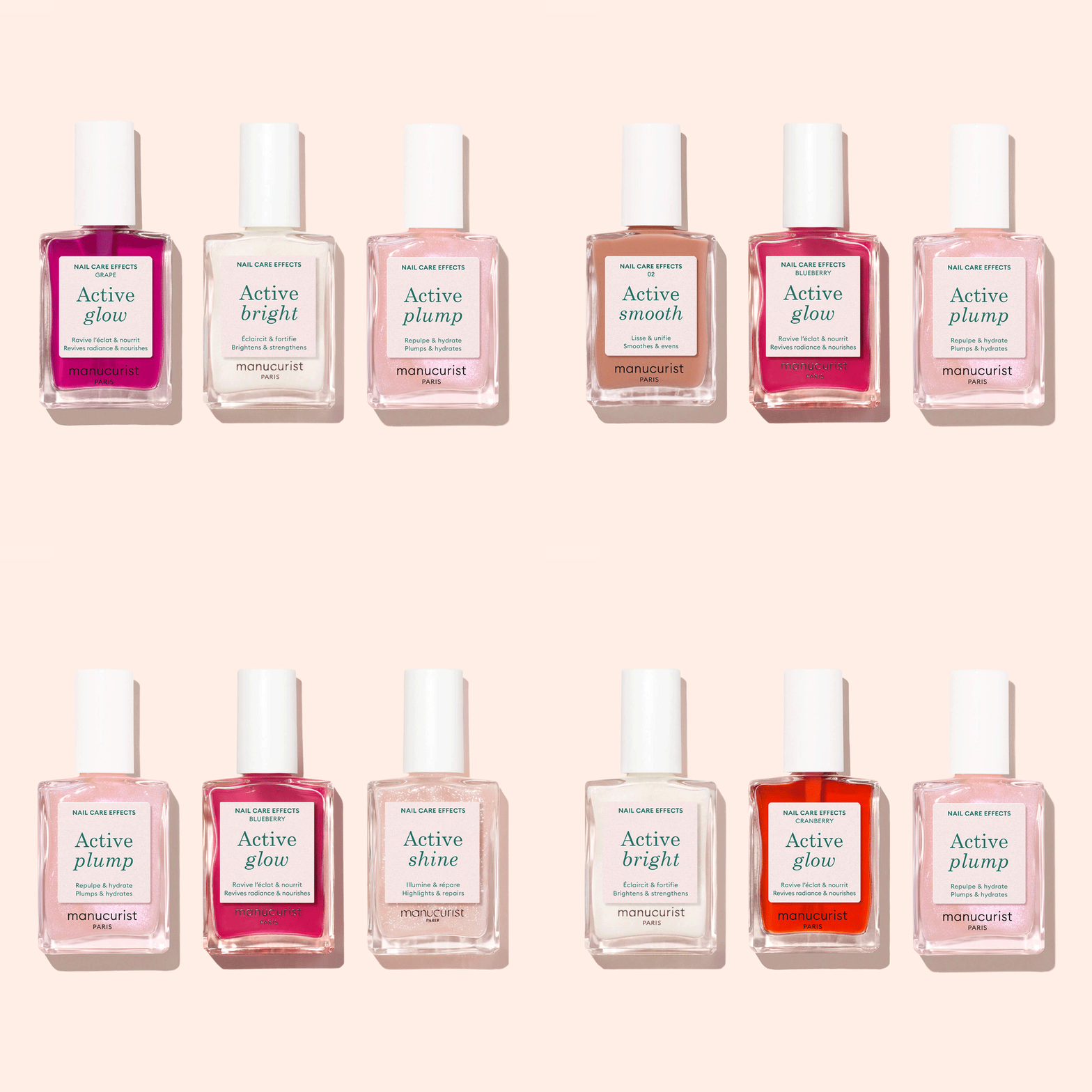
Brands are also focusing on transparency in their packaging design, opting for minimalist aesthetics that communicate their core values clearly. As noted in the latest insights from the Sustainable Cosmetics Summit, packaging has become a critical differentiator in an increasingly crowded market.
AI and Personalization in Beauty
Artificial intelligence (AI) is revolutionizing the beauty sector by enabling brands to offer personalized solutions that align with sustainability goals. From custom skincare formulations to tailored product recommendations, AI enhances the consumer experience while promoting eco-friendly practices. The AI-powered beauty market is projected to grow significantly, indicating a robust future for personalized beauty solutions.
As quoted by Sourabh Sharma, head of marketing at Fig Or Out, “AI is no longer just a tool for efficiency, but rather, it’s becoming a catalyst for sustainable transformation in beauty.” This transformation allows consumers to feel empowered and informed, making choices that reflect their values without compromising on efficacy.
For example, brands like Prose are utilizing AI to develop custom skincare lines, offering consumers over 15 million possible formula combinations tailored to their unique needs. Such innovations are not only reshaping product development but also ensuring that beauty products meet evolving consumer demands with speed and precision.
The Consumer's Role in Sustainability
As the beauty industry continues to innovate, the role of consumers in driving sustainability cannot be underestimated. Recent market research indicates that brand loyalty is declining as environmental values rise as key purchase drivers. Anna Mayo, VP of market research firm NIQ, noted that “in the last two years, average loyalty to beauty brands has declined by 20%,” with consumers increasingly incorporating sustainable practices into their lifestyles.
This shift in consumer behavior reflects a broader societal movement towards prioritizing sustainability and ethical standards. As such, beauty brands must adapt to meet these expectations, ensuring that beauty is not only about looking good but also about doing good.
Conclusion
The future of beauty lies in sustainability, with brands prioritizing eco-friendly practices and innovative solutions. As consumers continue to demand transparency and ethical standards, the beauty industry must adapt to this evolving landscape. Embracing the sustainable beauty revolution means making choices that reflect one’s values while enhancing beauty routines.
In this era of conscious consumerism, it is clear that the path forward for the beauty industry is not just about products, but about the positive impact those products can have on the planet and its inhabitants. With sustainable beauty at the helm, the future is bright, and beauty is set to become a force for good.

For more insights into sustainable practices in the beauty industry, you can explore the Sustainable Cosmetics Summit 2025 and the continued push towards eco-friendly packaging solutions outlined in related reports.