
Empower Your Workout: The Rise of Functional Training for Women
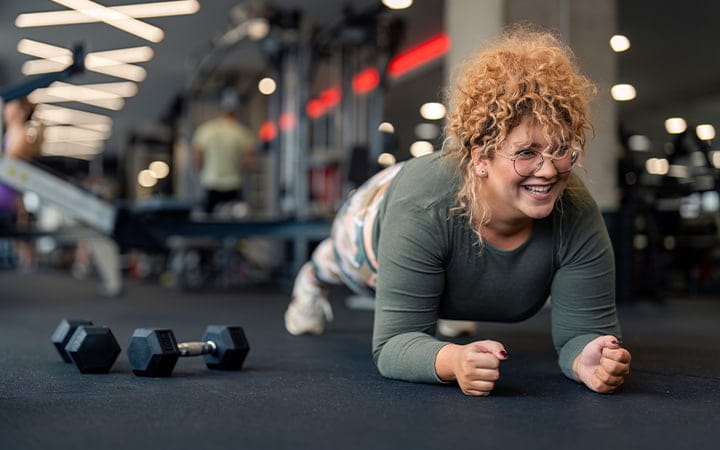
In the heart of today’s fitness revolution, functional training is emerging as a transformative powerhouse for women seeking to elevate their physical prowess and confidence. This invigorating approach to exercise transcends the limitations of traditional workouts, which often isolate muscle groups and neglect the practical application of strength and mobility. Instead, functional training focuses on movements that reflect the tasks of daily life, making workouts not only effective but also relatable and empowering.
What is Functional Training?
Functional training comprises exercises designed to improve one’s ability to perform everyday activities. It includes movements like squatting, lifting, and reaching—skills that are crucial for maintaining independence and enhancing quality of life as we age. According to the American Council on Exercise, this style of training can lead to notable improvements in overall body strength, coordination, and mobility, which are essential for women navigating varied life stages and responsibilities.
Why Women Should Embrace Functional Training
-
Builds Real-World Strength: Functional workouts equip women with strength that is applicable in daily scenarios, whether it’s lifting children, hauling groceries, or engaging in recreational sports. This type of training empowers women to handle physical tasks with ease and confidence.
-
Enhances Mobility: Many functional exercises foster flexibility and balance, reducing the risk of injury while enhancing overall physical performance. For instance, exercises that mimic movements like bending and twisting can significantly improve core stability and joint health.
-
Boosts Confidence: As women engage in functional training and witness their strength and mobility improve, many experience a remarkable boost in confidence. This newfound confidence often spills over into other aspects of life, encouraging them to tackle challenges both within and outside the gym.
Expert Insights
Ronly Omer, a certified group fitness instructor at the Mandel JCC, emphasizes the importance of fun and creativity in functional training. "When workouts are enjoyable, women are more likely to stick with them and see results," she explains. Omer’s functional training program, specifically designed for women, incorporates diverse and engaging exercises that promote strength, endurance, and community support.
According to recent statistics from the National Strength and Conditioning Association, women participating in functional training programs report feeling more motivated and committed to their fitness journeys. “Having a supportive environment where women can share their experiences and challenges is crucial to fostering dedication and long-term success,” adds Omer.
Getting Started
For those new to functional training, starting with simple exercises is key. Here are a few foundational movements to incorporate:
- Squats: Essential for building leg strength and improving mobility.
- Lunges: Great for enhancing balance and coordination.
- Push-ups: A classic way to build upper body strength.
As confidence grows, consider adding resistance bands or weights to amplify the challenge. Many fitness centers now offer specialized classes that focus on functional movements, providing a structured and supportive environment for learning and growth. The Mandel JCC, for example, offers over 40 diverse group exercise classes catering to all fitness levels, ensuring accessibility for everyone.

Benefits Beyond the Gym
The advantages of functional training extend well beyond physical fitness. Regular participation in functional workouts promotes mental well-being, serving as a natural stress reliever. Participants frequently report feelings of accomplishment and increased resilience after workouts, contributing to better emotional health.
Moreover, as functional training builds a sense of community among participants, women often find themselves forming friendships and support networks. Shared experiences in a supportive environment can foster lasting connections that enhance the enjoyment of fitness and well-being.
Embracing the Future of Fitness
As we move forward into an era where fitness and wellness are increasingly prioritized, functional training stands out as a holistic approach to health. It empowers women to take control of their bodies and lives, challenging societal norms that often dictate otherwise. By embracing this style of training, women can build strength, enhance mobility, and cultivate a sense of confidence that radiates far beyond the gym.
In conclusion, functional training is not merely a fitness trend; it is a movement towards empowerment and holistic health. Women who engage in this transformative approach can expect to see improvements in their physical abilities, emotional resilience, and overall quality of life.
References

Functional training is reshaping the landscape of women's fitness, paving the way for a healthier, stronger, and more confident generation. Don’t just participate—thrive!