Empowering Beauty: The Rise of Inclusive Makeup Brands
In a world that continuously strives for diversity and representation, the beauty industry has undergone a remarkable transformation, with inclusive makeup brands leading the charge. Gone are the days when beauty was defined by limited standards; today, it’s about celebrating a spectrum of skin tones, types, and identities. As brands like e.l.f. Beauty and Fenty Beauty pave the way, they are not just changing the landscape of cosmetics but are empowering women—global citizens—by ensuring everyone can find their place in beauty.
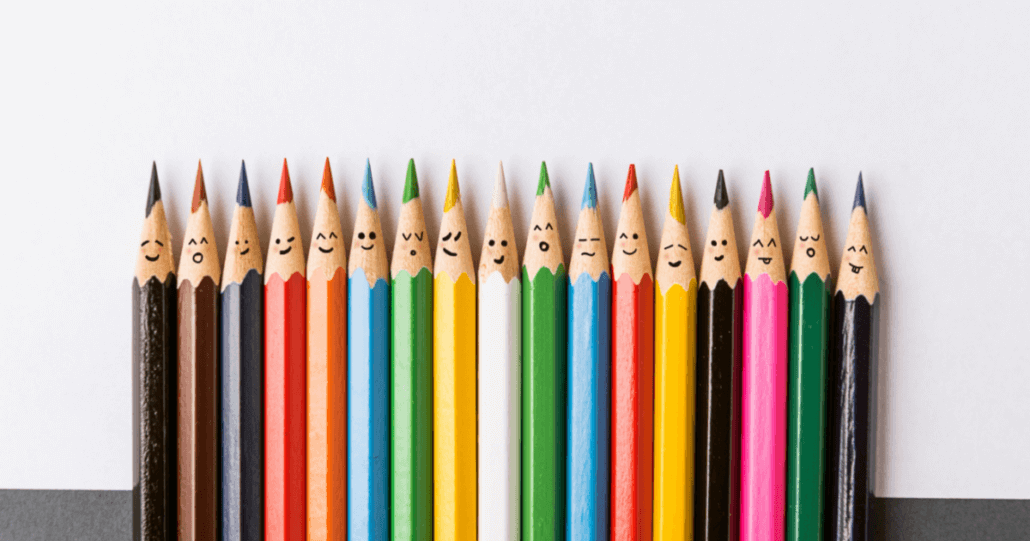
The Importance of Representation
For decades, the beauty industry has been embroiled in a narrative that often sidelined women of color and those with diverse skin concerns. As a response to this lack of representation, brands like Fenty Beauty, launched by Rihanna in 2017, have set new standards. Fenty offers over 50 shades of foundation, catering to every conceivable skin tone. This move resonated profoundly among consumers, leading to a cultural shift where inclusivity became a priority rather than an afterthought.
“Fenty Beauty has changed the game,” says Dr. Jasmine Sanders, a cultural analyst specializing in beauty trends. “Rihanna didn’t just create a product; she fostered a movement where everyone feels seen and represented.” The sentiment is echoed by countless consumers who now find products that match their unique skin tones, feelings of belonging in an industry that previously overlooked them.
Innovative Formulations for Every Skin Type
Inclusive brands are not only focusing on shade diversity but are also innovating formulations to suit various skin types. For example, e.l.f. Beauty, known for its affordable and accessible products, has recently acquired Naturium, a skincare line designed for diverse skin concerns. This acquisition signals a growing trend of merging skincare and makeup, emphasizing that beauty products should be beneficial for the skin as well as aesthetically pleasing.
“Makeup should do more than just enhance appearance; it should also nourish and protect,” remarks Dr. Melissa K. Jameson, a dermatologist and beauty expert. “Inclusive brands are realizing that consumers want products that address their specific needs, whether they have oily, dry, or combination skin.”
Brands like e.l.f. are leveraging their expertise to create products that align with modern skincare demands while ensuring inclusivity. This holistic approach enables consumers to feel confident in their skin, knowing that their makeup is tailored to their unique needs.
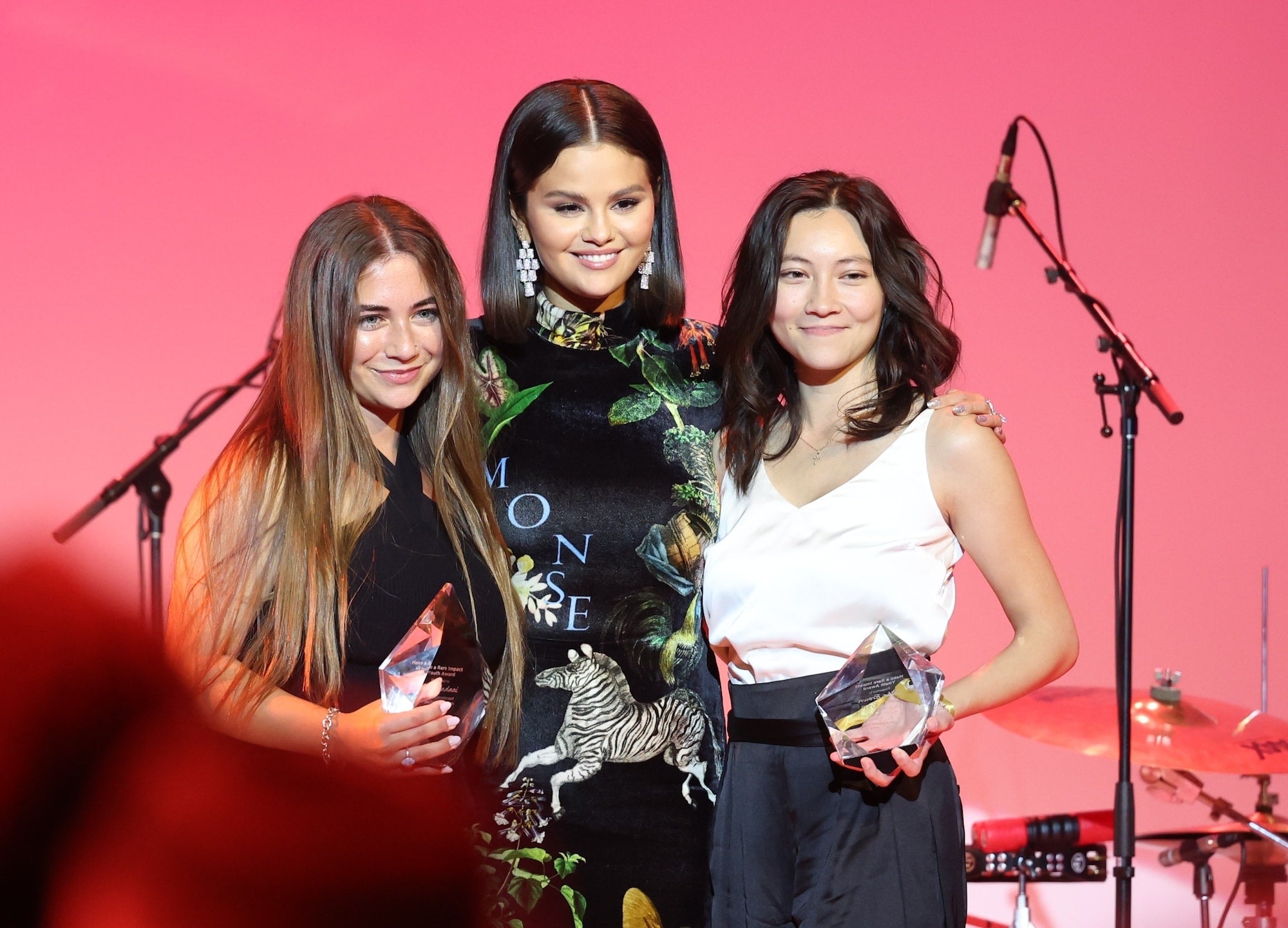
Empowering Women Through Community
The empowerment narrative extends beyond just products; it encompasses building communities that inspire and uplift women. Initiatives like e.l.f. Beauty’s partnership with the National Women’s Soccer League (NWSL) highlight this commitment. By becoming the league's first beauty sponsor, e.l.f. aims to inspire young girls to pursue sports and leadership roles. “When girls engage in sports, they learn valuable leadership skills,” says Kory Marchisotto, Chief Marketing Officer at e.l.f. Beauty. “This partnership is about more than cosmetics; it’s about creating opportunities and empowering the next generation.”
Through campaigns that emphasize strength and confidence, inclusive brands are redefining what beauty means. They promote a lifestyle of self-expression and resilience, encouraging women to embrace their identities fully. The message is clear: beauty is not just about how you look; it's about how you feel and the community that surrounds you.
The Future of Inclusive Beauty
As the beauty landscape continues to evolve, the rise of inclusive makeup brands serves as a testament to the power of diversity and representation. With every product launch, these brands are reshaping perceptions of beauty and empowering women around the globe to embrace their uniqueness. The commitment to inclusivity is not merely a marketing strategy; it is a cultural shift that resonates deeply with consumers.
The global makeup market is projected to grow significantly in the coming years, driven by the demand for inclusive and innovative products. According to market research, the category is set to reach an estimated $23 billion by 2028, showcasing the immense potential for brands that prioritize diversity and representation.

With the ongoing demand for products that cater to a wider audience, other brands are taking notes. For instance, Rare Beauty, founded by Selena Gomez, has made headlines for its commitment to mental health awareness while offering a diverse range of shades. This focus on holistic beauty, embracing both mental and physical well-being, reflects the changing tides in the industry.
Conclusion
The rise of inclusive makeup brands is not just a trend; it is a revolution in the beauty industry. As more brands adopt the principles of diversity and representation, the beauty landscape becomes a richer tapestry of experiences, identities, and self-expression. These brands are setting an example, reminding us that beauty is not confined to narrow standards but is an expansive celebration of individuality.
In a world that sometimes feels divided, the inclusive beauty movement offers a powerful reminder that everyone deserves to feel beautiful, represented, and empowered. As consumers, we have a voice, and it is through our choices that we support a future of beauty that is truly inclusive.
References
Keywords
- Inclusive Beauty
- Diversity
- Empowerment
- Makeup Brands
- Representation