The Rise of Eco-Conscious Beauty: Trends Shaping the Future

As consumers increasingly prioritize sustainability, the beauty industry is undergoing a revolutionary transformation. Gone are the days when beauty products merely focused on aesthetics; today, eco-consciousness is at the forefront of consumer preferences. This shift is not just a passing trend; it is reshaping the entire landscape of beauty brands, creating pathways for innovation and responsible practices. As we navigate through 2025, let’s explore how the beauty industry is adapting to meet the demands for eco-friendly practices, highlighting brands that are leading the charge.
Sustainable Packaging Innovations
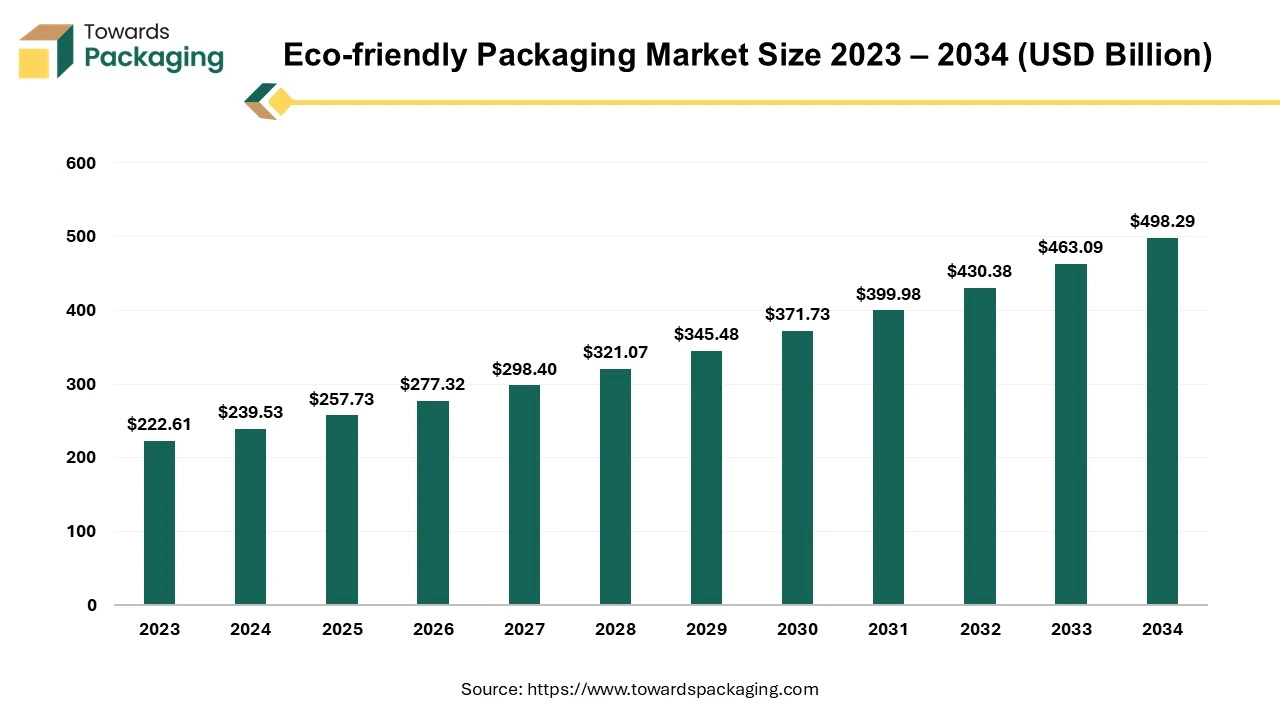
One of the most visible changes in the beauty sector is the move towards sustainable packaging. Brands are now prioritizing recyclable, biodegradable, and refillable options. Lush, for example, has opened experiential stores that emphasize eco-friendly practices, showcasing products in minimal packaging to reduce waste. This approach not only resonates with environmentally conscious consumers but also encourages others within the industry to follow suit. According to recent studies, over 75% of consumers prefer brands that offer sustainable packaging, marking a significant shift in buying behaviors.
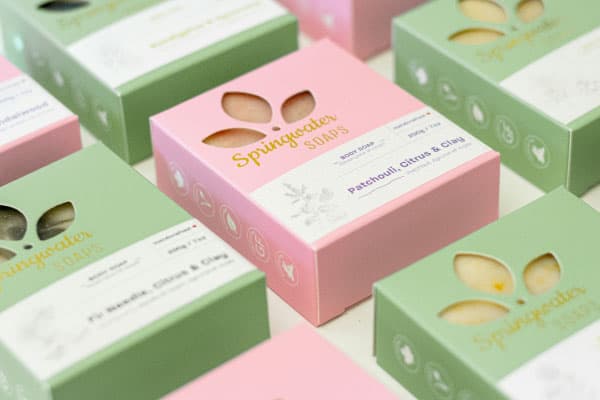
As brands evolve, the incorporation of sustainable packaging is becoming less of a novelty and more of a necessity. Companies are utilizing materials like recycled plastics and biodegradable options to create aesthetically pleasing and environmentally friendly products. This transition sets a new standard for the industry, where consumers demand transparency about the lifecycle of their beauty products.
Clean Ingredients and Transparency
The demand for clean, natural ingredients is at an all-time high, with a staggering 75% of consumers preferring products that are free from harmful chemicals. This push for transparency is creating opportunities for brands to develop innovative products with sustainable ingredients. Givaudan Active Beauty, for instance, has launched a groundbreaking product named PrimalHyal UltraReverse. This sustainable, ultra-low molecular weight hyaluronic acid is designed to combat aging at the DNA level while promoting skin health.
"Consumers are becoming more discerning about what goes on their skin," explains a representative from Givaudan. "Our mission is to provide effective solutions that align with both performance and sustainability."
This growing trend reflects a broader cultural movement where beauty is seen not just as surface-level enhancement but as an integral part of one's overall health and well-being.
The Role of Technology in Sustainable Beauty
Technology is playing a crucial role in advancing sustainable practices within the beauty industry. Innovations such as AI and machine learning are helping brands develop plant-based formulas that are not only effective but also compliant with environmental standards. For example, beauty companies are utilizing generative AI to create eco-friendly formulations, significantly shortening the time to market while ensuring compliance with sustainability regulations.
At the forefront of this technological shift is Cosmetic Solutions Innovation Labs, which has launched a new Market Ready Skincare Portfolio. This portfolio empowers brands, both large and small, to create high-quality products with an emphasis on eco-conscious practices without sacrificing effectiveness.

"The integration of technology is crucial for evolving the beauty industry," says Susan McCarthy, CEO of Cosmetic Solutions. "It allows us to innovate rapidly while maintaining our commitment to sustainability."
Consumer Education and Engagement
As brands navigate the complexities of sustainable beauty, they recognize the importance of consumer education. Initiatives that promote recycling and responsible consumption are becoming commonplace. Brands like Love Beauty and Planet actively engage their audience through social media campaigns that focus on eco-friendly practices, encouraging consumers to recycle packaging and reduce waste.
The rise of social media has transformed how brands communicate with their consumers. By fostering a deeper connection through educational content, brands can empower their audience to make informed choices. Educational campaigns often highlight the environmental impact of beauty products, encouraging consumers to choose brands that align with their values.
The Power of Community Engagement
Furthermore, community events and collaborations with non-profit organizations are becoming essential tools for brands aiming to promote sustainability. For instance, beauty brands are increasingly partnering with local environmental organizations to facilitate clean-up efforts and sustainability workshops, reinforcing their commitment to eco-conscious practices.
Conclusion
The future of beauty is undeniably green. With brands increasingly innovating and adapting to consumer demands for sustainability, the industry is poised for a transformative shift. As eco-conscious practices become the norm, beauty enthusiasts can look forward to a more responsible and ethical approach to beauty that aligns with their values.
Embracing sustainability is not just a trend; it’s a movement that empowers consumers and brands alike to make a positive impact on the planet. The advancements in sustainable packaging, clean ingredients, innovative technology, and consumer education are all testament to this evolution in the beauty industry. As we continue to demand more from the products we use, the beauty landscape is set to flourish in ways that prioritize both self-expression and environmental responsibility.
For a detailed look at these trends and more, visit the following resources: in-cosmetics Global's Sustainability Zone and Givaudan Active Beauty.