
Sustainable Fashion: The Intersection of Style and Eco-Conscious Living
In a world increasingly aware of environmental issues, sustainable fashion is not just a trend; it’s a movement. Women around the globe are embracing eco-conscious brands that prioritize ethical practices without compromising on style. This paradigm shift is more than just a fleeting fashion statement; it reflects a fundamental change in consumer values. As the climate crisis continues to escalate, the choices we make in our wardrobes can not only reflect our personal identities but also contribute to a healthier planet.

The Rise of Eco-Friendly Brands
Brands like Reformation and Stella McCartney are leading the charge, proving that fashion can be both chic and sustainable. These labels focus on reducing waste, utilizing renewable resources, and ensuring fair treatment of workers. Reformation reports that their practices help save over 20 million gallons of water and prevent about 400,000 pounds of carbon emissions annually. Such statistics illustrate the impactful shift toward sustainability that is reshaping the fashion landscape.
Stella McCartney has long advocated for sustainable materials, with her collections featuring organic cotton and recycled fabrics. "Fashion should be a force for good," McCartney states, emphasizing that the industry can play a crucial role in combating climate change. As consumers become more educated about the impact of fast fashion, they are opting for pieces that not only look good but also do good.
Empowerment Through Personal Style
Sustainable fashion empowers women to express their individuality. By choosing unique, ethically made pieces, women can curate wardrobes that reflect their personal style while supporting a cause. This shift encourages creativity and self-expression, moving away from the cookie-cutter styles often seen in fast fashion.
According to a recent study by the Global Fashion Agenda, 66% of women now consider sustainability a vital aspect of their purchasing decisions. "Fashion is a way we communicate who we are," says Dr. Leslie McMillan, a fashion psychologist. "When consumers choose sustainable options, they are signaling their values and beliefs to the world."
Tips for Building a Sustainable Wardrobe
Transitioning to a sustainable wardrobe doesn't have to be daunting. Here are some practical tips to get you started:
-
Invest in Quality: Choose timeless pieces that will last for years rather than trendy items that will quickly go out of style. Investing in high-quality materials often leads to long-term savings.
-
Shop Second-Hand: Thrift stores and online resale platforms like Poshmark and Depop offer unique finds that reduce waste and keep clothing out of landfills. Plus, you can discover one-of-a-kind items that showcase your personal style.
-
Support Local Artisans: Look for local brands that produce their clothing ethically and sustainably. Not only does this support the local economy, but it also reduces carbon emissions associated with shipping products internationally.
-
Educate Yourself: Stay informed about the brands you support and their practices. Resources like the Good On You app provide ratings for brands based on their sustainability and ethical practices.
The Role of Fashion Shows and Events
Fashion shows and expos are increasingly spotlighting sustainable designers. Events like the Sustainable Fashion Forum in Portland and the Copenhagen Fashion Summit gather industry leaders to discuss eco-conscious practices and innovations. These platforms are crucial for raising awareness about the importance of sustainability in fashion.
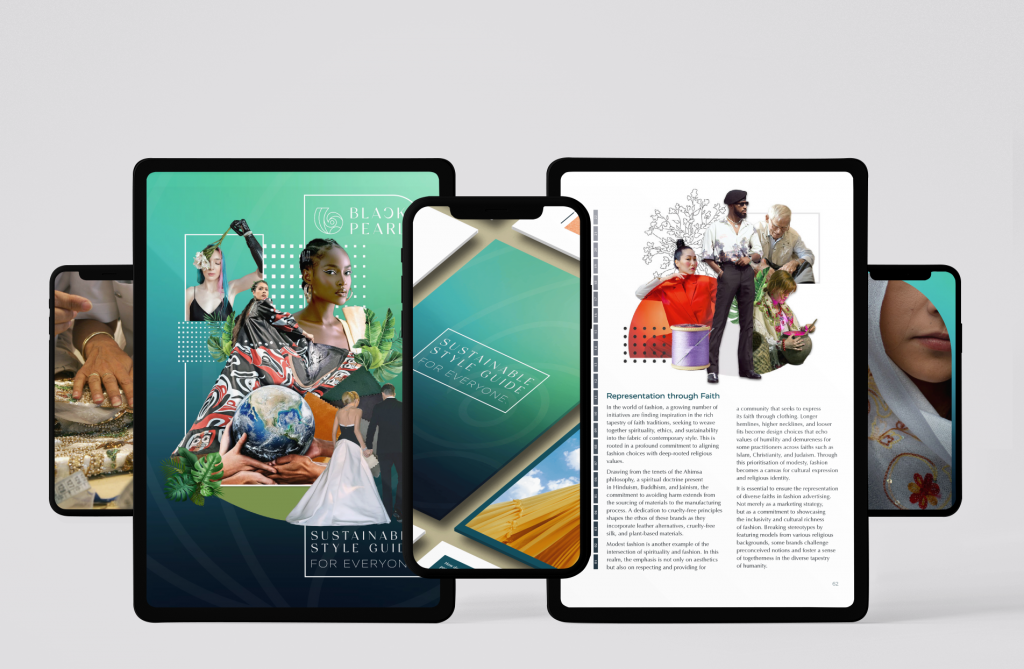
For example, the Copenhagen Fashion Summit has become a pivotal moment for leading brands to announce their sustainability goals and progress. The 2023 summit highlighted commitments from over 120 brands to implement circular fashion practices, a model that encourages reusing and recycling materials instead of discarding them.
Challenges Facing the Sustainable Fashion Movement
While the movement is gaining momentum, challenges remain. The rise of fast fashion continues to pose a threat, with brands like Shein and Zara producing massive quantities of low-cost clothing that can undermine sustainable efforts. Moreover, the prevailing culture of disposability makes it difficult for consumers to shift toward more sustainable choices.
A survey by McKinsey & Company found that 70% of consumers acknowledge the importance of sustainability, yet only 30% are willing to pay more for sustainable products. This disconnect highlights the need for educational initiatives that help consumers understand the long-term benefits of investing in sustainable fashion.
Conclusion
Sustainable fashion is more than just a buzzword; it’s a lifestyle choice that empowers women to make a difference. By embracing eco-friendly brands and practices, we can redefine what it means to be stylish in a way that honors our planet. Let your wardrobe be a reflection of your values and a statement of your commitment to a sustainable future.
As we look ahead, the integration of sustainability into fashion isn’t just beneficial for the planet; it fosters a sense of community and shared purpose among consumers. By supporting brands that prioritize ethical practices and by making mindful choices, women can lead the charge towards a more sustainable future. Together, we can revolutionize the fashion industry, proving that style and sustainability can go hand in hand.
