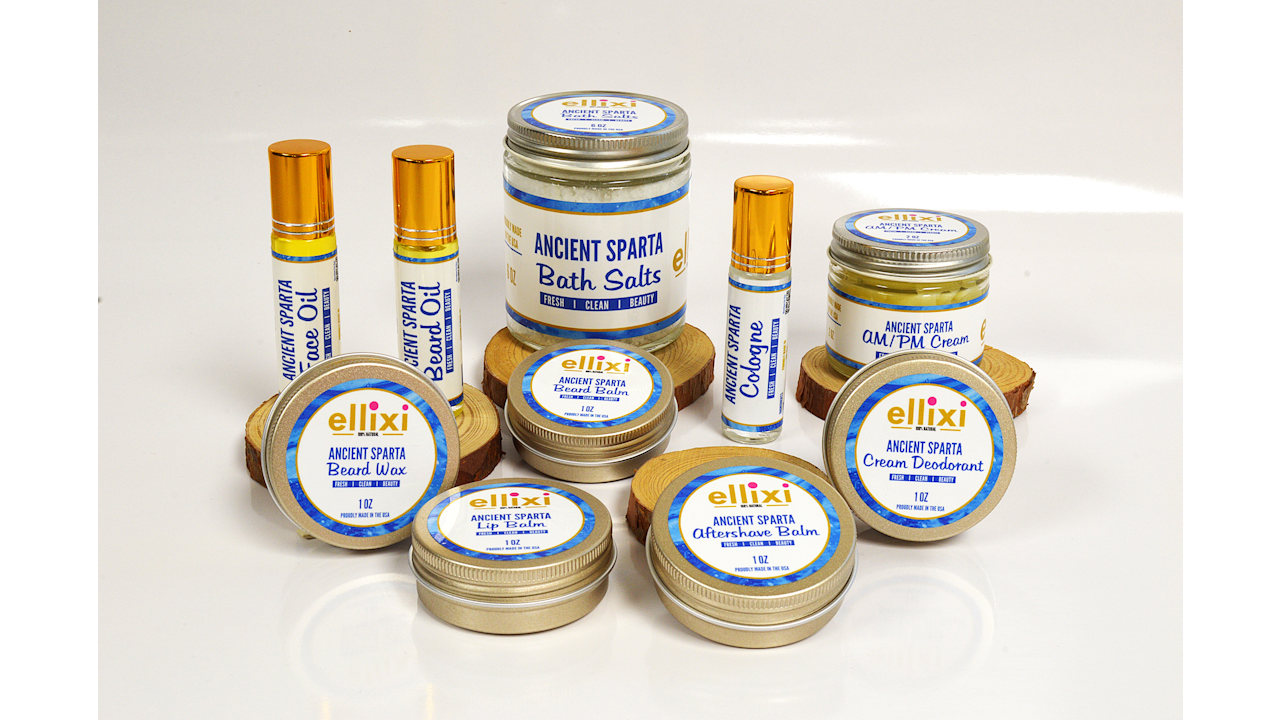
The Rise of Waterless Beauty: A Sustainable Revolution
As the world becomes increasingly aware of the urgent need for sustainable practices, the beauty industry is making a significant shift towards waterless formulations. Brands like Ellixi are at the forefront of this revolution, introducing innovative products that promise high efficacy while minimizing environmental impact. This trend not only addresses the pressing issues of water scarcity but also reshapes consumer expectations about beauty products.
A New Era in Beauty
Waterless beauty is not just a passing trend; it's a response to the growing demands for sustainability and clean beauty options. Traditional beauty products often contain a high percentage of water, which dilutes the active ingredients and requires extensive packaging, leading to increased environmental waste. In contrast, waterless products focus on concentrated formulations that deliver powerful results without the need for water.
Lila Bergen, founder of Ellixi, emphasizes the brand's commitment to eco-friendly practices. "We saw a gap in the beauty market for products that truly deliver on sustainability and efficacy. Our vision was to create products that not only provide exceptional results but do so in a way that minimizes our impact on the planet," she states.
The Benefits of Going Waterless
1. Concentration of Active Ingredients
Waterless beauty products are typically enriched with potent active ingredients, making them more effective than their traditional counterparts. By removing water from the formulation, brands can create products that are not only more concentrated but also require less packaging. This shift towards smaller, more compact products aligns with a broader movement towards minimalism in beauty.
2. Reduced Plastic Waste
One of the most significant advantages of waterless beauty is the reduction in plastic waste. According to reports, over 300 million tons of plastic are produced globally each year, with a considerable portion ending up in landfills and oceans. By focusing on smaller packaging and eliminating water, brands can significantly decrease their carbon footprint and contribute to a more sustainable future.
3. Lower Carbon Footprint
In addition to reducing plastic waste, the waterless trend encourages companies to rethink their supply chains and production methods. The elimination of water from products not only lowers transportation costs but also reduces energy consumption. As brands adopt more sustainable practices, the entire industry moves towards a greener future.
Consumer Expectations and Market Trends
As consumers become more eco-conscious, their expectations for beauty products are evolving. According to a recent market study, 65% of consumers are more likely to purchase products from brands that demonstrate a commitment to sustainability. This shift is reflected in the growing popularity of waterless beauty products, which are being embraced not just for their environmental benefits but also for their effectiveness.
The waterless beauty market is projected to grow significantly in the coming years. As new brands enter the space and existing companies adapt their formulas, consumers can expect a wider variety of products that cater to their desire for both efficacy and eco-friendliness.
Challenges and Considerations
Despite the numerous benefits, the transition to waterless beauty is not without its challenges. Brands must carefully formulate their products to ensure that the absence of water does not compromise safety or performance. Additionally, educating consumers about the advantages of waterless formulations is crucial for driving adoption.
Accupac's 2025 Trend Report notes that as the beauty industry evolves, brands must prioritize transparency and sustainability to maintain consumer trust. "We're seeing a demand for products that not only perform well but also align with consumers' values," the report states.
The Future of Waterless Beauty
Looking ahead, the waterless beauty revolution is set to reshape the cosmetics landscape. As more consumers seek sustainable options, brands like Ellixi are paving the way for a future where beauty products are not only effective but also environmentally responsible. The success of this movement will depend on continuous innovation, consumer education, and a commitment to sustainability throughout the industry.
In conclusion, the rise of waterless beauty signifies a transformative shift in the beauty industry. With brands prioritizing sustainability without compromising on quality, consumers are empowered to make choices that benefit both their skin and the planet. As this trend continues to gain momentum, it is crucial for brands to remain transparent and accountable, fostering a culture of trust and sustainability.
For further insights on sustainable beauty practices and the latest innovations in waterless formulations, check out Ellixi's official site and the Accupac's 2025 Trend Report.