
As women athletes continue to break barriers and set records, the importance of sports nutrition has never been more paramount. From collegiate stars to professional powerhouses, female athletes are meticulously crafting their diets to not only enhance performance but also to foster recovery and prevent injuries. This article delves into the burgeoning field of sports nutrition for women, providing insights from nutritionists and testimonials from top athletes.

The Foundation of Performance: Nutrition's Vital Role
In recent years, the sports world has seen a significant shift in how nutrition is perceived, especially among women. According to Clark Atlanta Sports, there is an increasing awareness of the unique nutritional needs of female athletes. This recognition is essential for optimizing athletic performance, as it directly influences energy levels, muscle recovery, and overall health.
Nutritionist Dr. Emily Stephenson emphasizes, "For female athletes, maintaining a balanced diet rich in carbohydrates, proteins, and healthy fats is crucial. It's about fueling the body to meet the demands of the sport while also considering hormonal fluctuations that can affect energy and metabolism."
Tailoring Diets for Peak Performance
Athletes like those from Harvard's Women's Basketball have been adopting personalized nutrition plans that cater to their specific sports and body types. These plans often include a mix of macronutrients and micronutrients that support both short-term performance and long-term health.
Caroline Marks, a professional surfer, shares her experience: "I've noticed a huge difference in my stamina and mental clarity since working with a sports nutritionist. Understanding when and what to eat before and after training has been a game-changer."
The Role of Supplements
The use of dietary supplements has become prevalent among women athletes, but it's approached with caution. The key is to choose supplements that are safe and beneficial without risking violations of sporting regulations. Omega-3 fatty acids, vitamin D, and protein powders are some of the commonly used supplements that aid in recovery and muscle synthesis.
Dr. Stephenson advises, "Supplements should complement a well-rounded diet and be used to fill nutritional gaps that food alone can’t meet, especially in high-performance scenarios."
Nutrition and Injury Prevention
One of the significant benefits of a well-managed diet is injury prevention. Foods rich in antioxidants and anti-inflammatory properties play a crucial role in reducing the risk of injuries. According to insights from Delta State Sports, incorporating foods like berries, nuts, and leafy greens can help mitigate inflammation and support joint health.
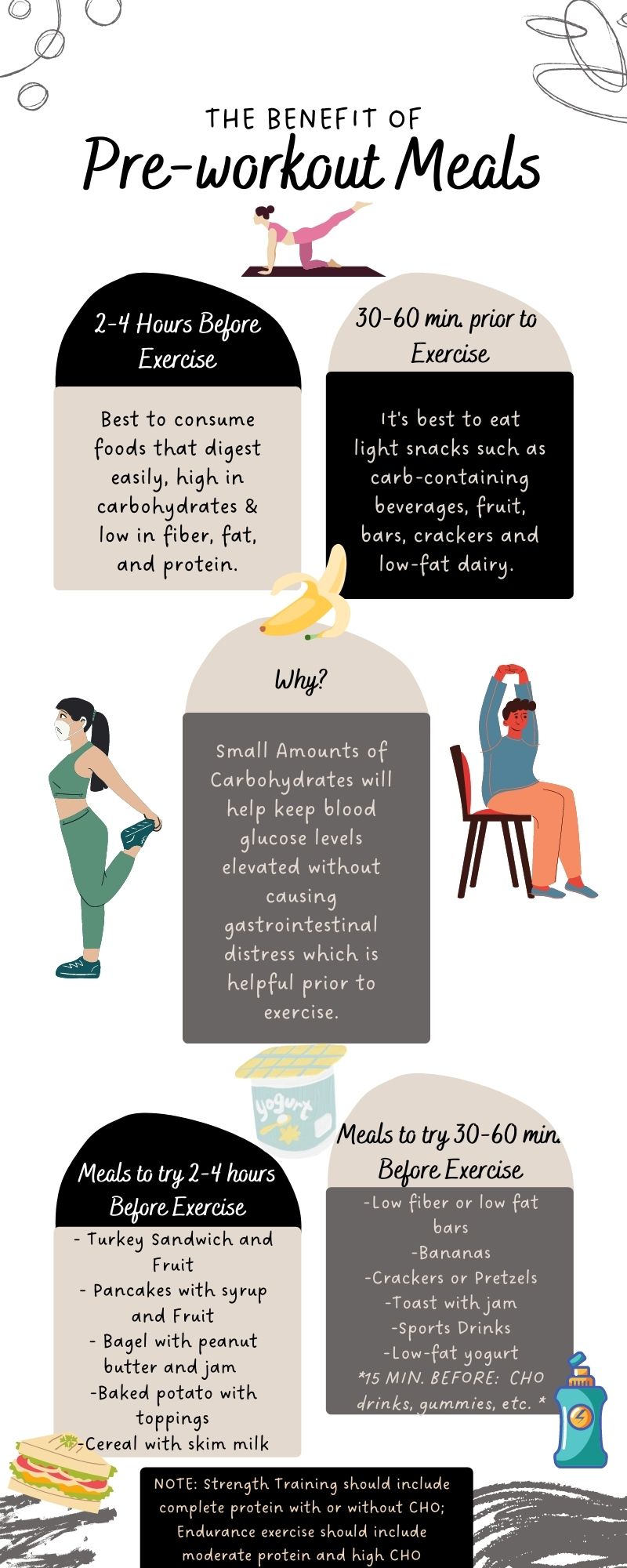
Meal Planning: A Strategic Approach
Effective meal planning is a cornerstone of sports nutrition. Athletes are increasingly relying on structured meal plans that are timed around their training schedules to maximize energy availability and recovery. For instance, a pre-workout meal might focus on easily digestible carbohydrates for quick energy, while the post-workout meal is geared towards protein and carbohydrates to aid muscle repair and glycogen replenishment.
Emerging Trends in Women's Sports Nutrition
As the field evolves, several trends are gaining traction among women athletes. Plant-based diets are becoming popular, offering a sustainable and ethical approach to nutrition without compromising on performance. Moreover, the focus on gut health and its impact on overall athletic performance is another area receiving significant attention.
Some athletes are turning to personalized nutrition technology, utilizing wearable devices that provide real-time data on their nutritional needs based on activity levels and biometrics. This technology is paving the way for more tailored dietary interventions that optimize performance and recovery.

Empowering Women Through Knowledge and Nutrition
The rise of sports nutrition for women signifies more than just a trend; it's a movement towards empowerment and self-expression through informed dietary choices. Organizations like TOGETHXR are advocating for women's sports, underscoring the importance of nutrition in achieving excellence.
In conclusion, as female athletes continue to redefine the boundaries of sports, the role of nutrition as a cornerstone of their success cannot be overstated. Through expert guidance, strategic dietary planning, and an emphasis on holistic health, women are not only enhancing their performance but also paving the way for future generations of athletes.