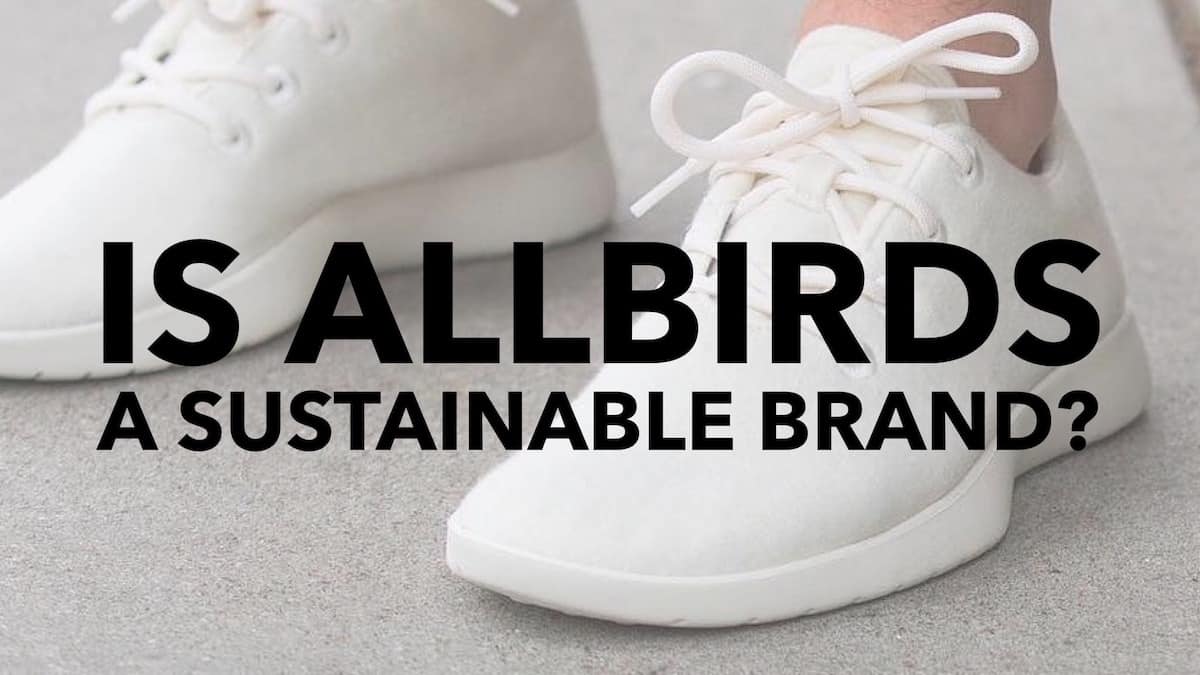
In the world of fashion, 2025 marks a pivotal year for the eco-chic movement, as sustainability becomes more than just a buzzword—it's a pivotal style statement. The sustainable fashion wave, led by visionary brands like Allbirds and Veja, is transforming consumer habits and emphasizing fashion's potential to nurture both style and the environment.
Embracing Eco-Chic: A Stylish Commitment to the Planet
Eco-chic is about making conscious choices, focusing on designs that speak volumes about personal style while leaving a lighter footprint on the earth. Allbirds, celebrated for their innovative use of sustainable materials like merino wool and eucalyptus tree fibers, are at the forefront of this revolution. According to a Travel + Leisure Co. article, these brands not only address consumer demand for stylish footwear but also commit to transparency and environmental stewardship.
Similarly, Veja's ethos revolves around using organic cotton and recycled plastic bottles, forging a path for ethical fashion. These companies demonstrate that eco-friendly doesn't mean sacrificing style; rather, it's about redefining it with integrity.
The Conscious Consumer: Beyond Trend to Lifestyle
Sustainable fashion is increasingly becoming a lifestyle choice rather than a fleeting trend. Today's consumers, particularly the digital-savvy Gen Z and Millennial cohorts, are more informed about the environmental impact of their purchases. They are driving demand for transparency and are willing to invest in brands that align with their values.
A recent Vogue article highlighted key sustainability moments from fashion months worldwide, showcasing how major designers are infusing their collections with eco-consciousness. This shift is not just in materials but also in the ethical production processes that ensure fair wages and safe working conditions.

Innovations Leading the Charge
The fashion industry is witnessing an array of innovations that support sustainable practices. Tencel, a biodegradable fiber made from wood pulp, and recycled polyester are becoming staples in modern fashion design. These materials not only reduce waste but also enhance the performance and longevity of clothing items.
Heuritech, a technology company specializing in fashion forecasting, predicts that the integration of smart textiles will further revolutionize the industry. These textiles, capable of adjusting to environmental conditions, offer a futuristic edge to fashion while promoting sustainability.
Personal Stories: Fashion as an Agent of Change
As style icons and celebrities increasingly adopt sustainable fashion, they inspire a broader audience to embrace eco-chic aesthetics. Influencers like Emma Watson and models like Gisele Bündchen have been vocal advocates, often seen wearing sustainable brands both on and off the red carpet.
In a recent interview, Gisele shared, "Fashion has the power to influence change. By choosing sustainable options, we send a message that resonates beyond the runway."

Supporting Local and Artisanal: A Path to Empowerment
Beyond materials and production, sustainable fashion also emphasizes local craftsmanship and the empowerment of artisans. By supporting small-scale producers and indigenous artisans, brands contribute to preserving cultural heritage and fostering economic growth within communities.
Fashion labels are now telling the stories of these artisans, providing them with a platform to showcase their skills. This approach not only diversifies fashion narratives but also empowers consumers to make purchases that support a broader social good.
The Future of Sustainable Fashion
Looking ahead, the eco-chic movement is expected to grow, fueled by technological advancements and a more environmentally conscious consumer base. As brands continue to innovate, the fashion industry will likely see an increase in collaborations with environmental organizations, further integrating eco-friendly practices into the core of their business models.
In 2025, sustainable fashion is not just a movement; it's a revolution that challenges the status quo and empowers consumers to express themselves through mindful choices. As we embrace this change, fashion becomes not just a medium for self-expression but a powerful tool for environmental stewardship. The future of fashion is green, and it’s an exciting journey that invites us all to participate.