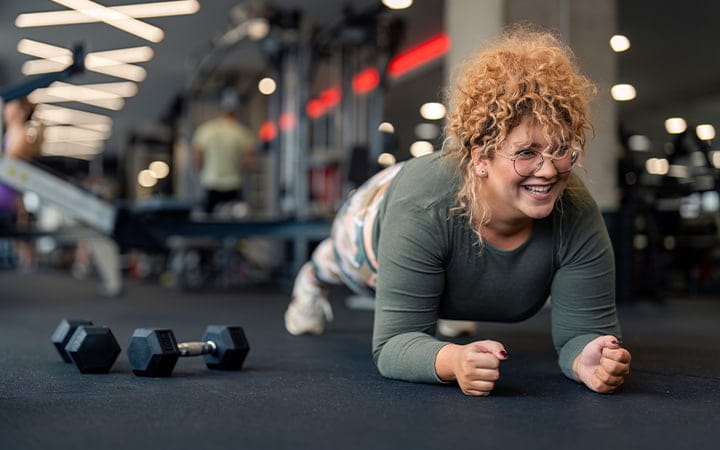
Functional fitness is having a well-deserved moment in the spotlight, particularly among women seeking to enhance their everyday strength and mobility. This burgeoning trend moves away from the traditional gym workouts that hone in on isolated muscle groups, offering instead a holistic approach that mirrors real-life activities. The result? An effective regimen that not only improves physical performance but also significantly reduces the risk of injury, making it a smart choice for the modern woman's lifestyle.
The Power of Functional Fitness
Functional fitness prioritizes exercises that engage multiple muscle groups simultaneously, focusing on strength, balance, coordination, and flexibility. As The J emphasizes, their group exercise classes incorporate functional training designed specifically for women. With a variety of fun, creative exercises and routines, participants can build strength, improve endurance, and enhance mobility. This type of training challenges the body in ways that transform you from the inside out, fostering an empowering sense of achievement and self-reliance.
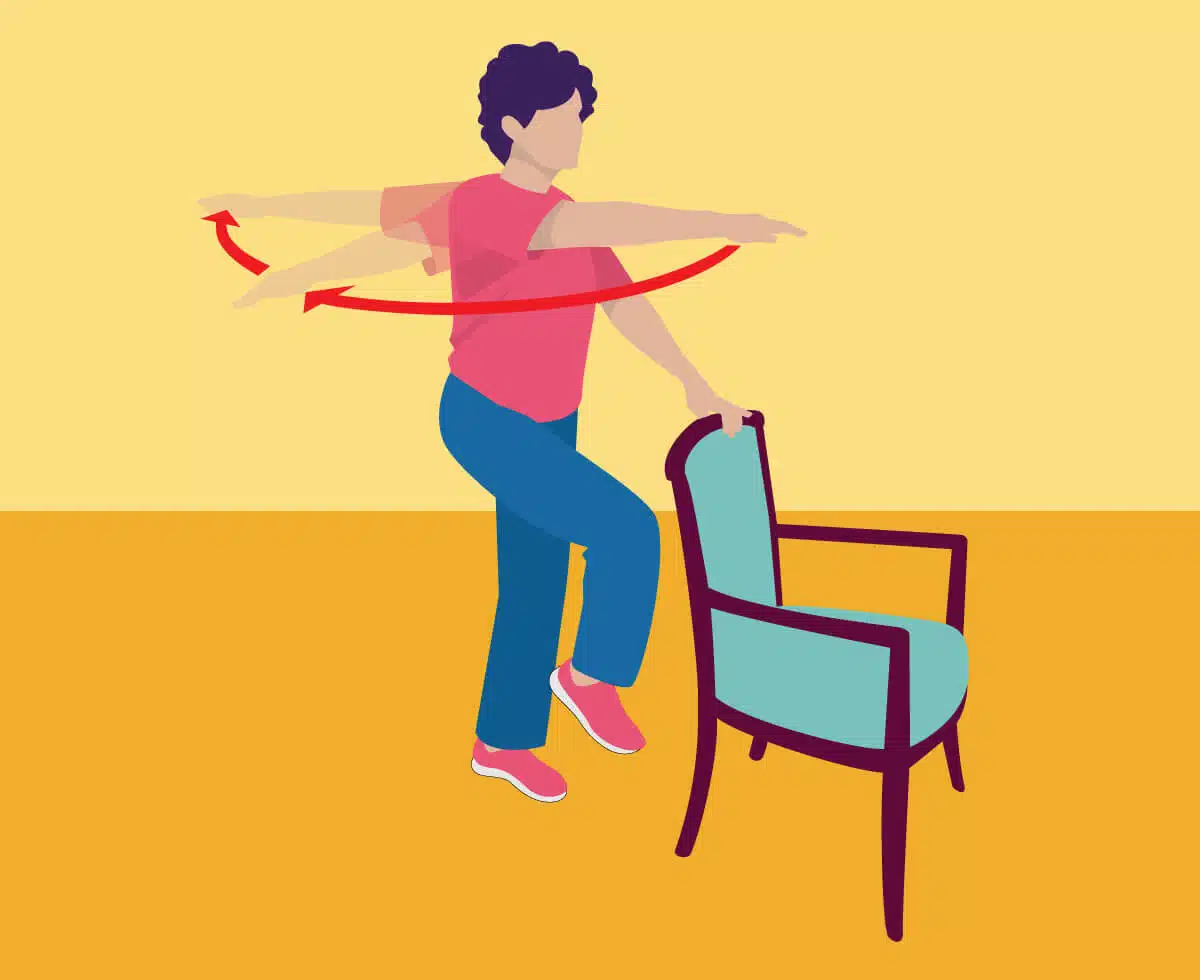
Ronly Omer, a group fitness instructor at The J, champions this approach. "Functional fitness is about preparing your body for the movements you perform daily," Omer explains. "It's about practical strength and ability, making everyday tasks easier and enhancing overall well-being."
Real-Life Benefits
The benefits of functional fitness are manifold. According to HEW Fitness, functional exercises improve your ability to perform everyday activities efficiently and safely. This method of training reduces the risk of injury by strengthening the stabilizing muscles that support larger muscle groups, thereby optimizing your body's movements.
Moreover, incorporating functional fitness into your routine can lead to increased energy levels and improved mental health. A study showcased by The J found that exercising in a group setting can be more motivating, reduce stress levels by 26%, and boost overall mood more than exercising alone.
Integrating Functional Fitness into Your Life
So how does one get started with functional fitness? For beginners, it’s essential to focus on mastering basic movements that mimic daily actions, such as squats, lunges, and push-ups. These exercises can be adapted to suit individual fitness levels and can be performed with or without additional weights.
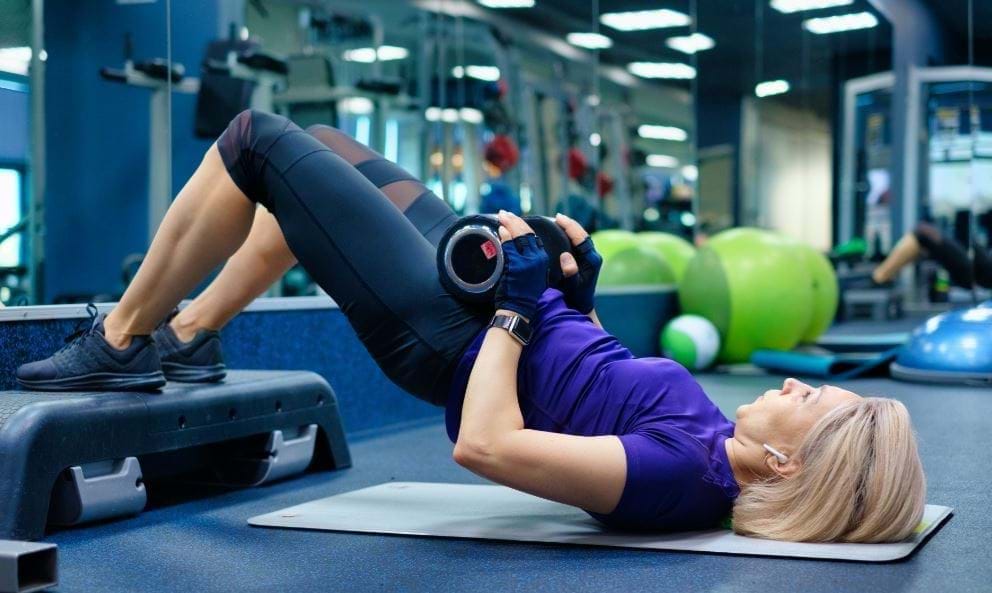
A functional fitness program often includes exercises like deadlifts, kettlebell swings, and planks, all designed to enhance core strength and stability. Incorporating equipment such as resistance bands, medicine balls, and balance boards can further diversify your workout.
Functional Fitness: Not Just a Fad
Functional fitness isn't just a passing trend; it embodies a shift towards a more holistic view of health and wellness. As women increasingly seek workouts that empower and sustain their lifestyles, functional fitness provides the tools to live actively and independently.
Jane Doe, a regular at the Burnsville YMCA, shares how functional fitness changed her life. "I feel more confident and capable in my daily activities," she says. "Lifting groceries, playing with my kids, even climbing stairs has become effortless."
Finding the Right Fit
Whether you're a seasoned fitness enthusiast or just starting your journey, finding the right environment for functional fitness can enhance your experience. Many community centers and gyms, such as UVA Rec, offer classes that cater to various fitness levels and interests, ensuring that everyone can find a program that suits them.
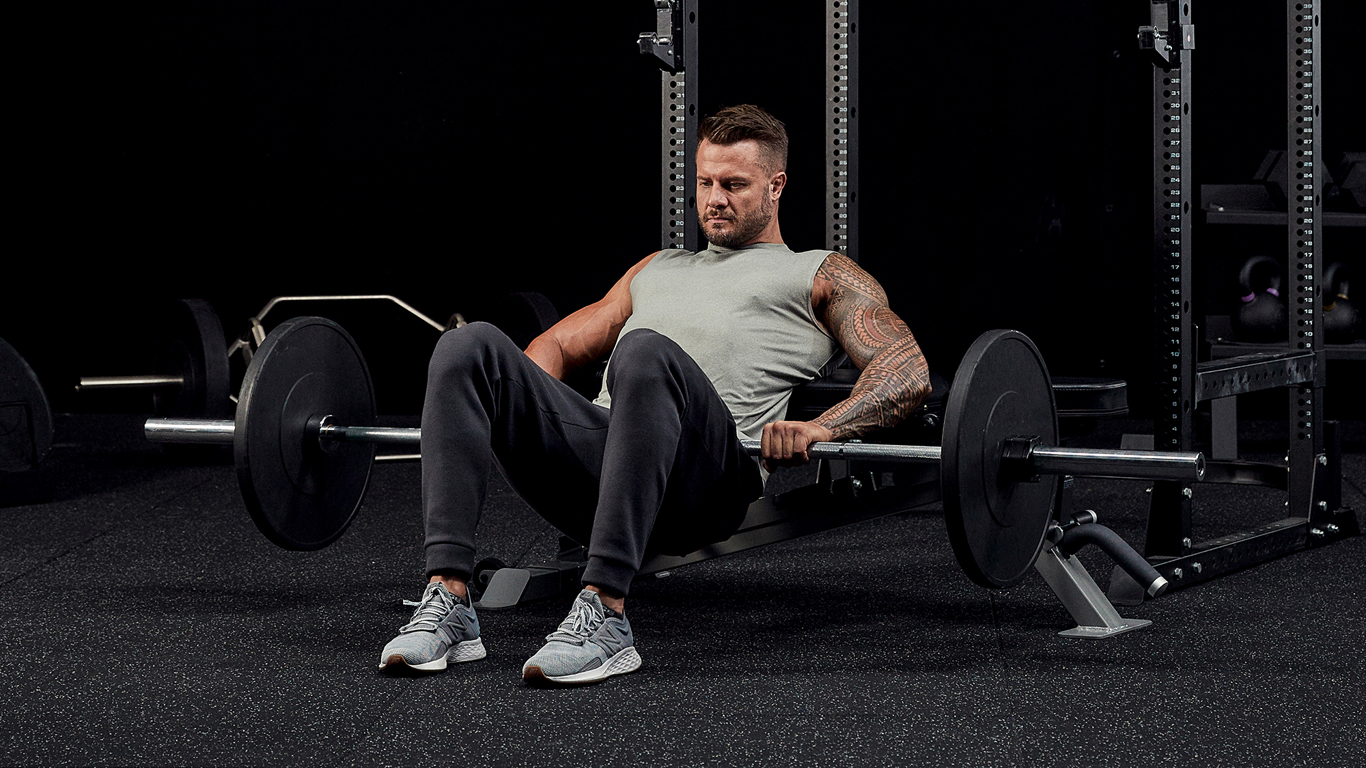
The YMCA offers diverse fitness classes, including cardio, dance, strength, yoga, and water exercise, blending flexibility, strength, and endurance. These programs provide a supportive community and expert guidance, making it easy to integrate functional fitness into your life.
Embracing the Movement
Functional fitness is not just about building a better body; it's about crafting a lifestyle that's healthier, more active, and filled with vitality. By focusing on movements that matter, women can unlock new levels of strength and mobility, empowering them to conquer everyday challenges with ease and confidence. As this trend continues to grow, it holds the promise of not only transforming workouts but also redefining how we approach our health and wellness journey.