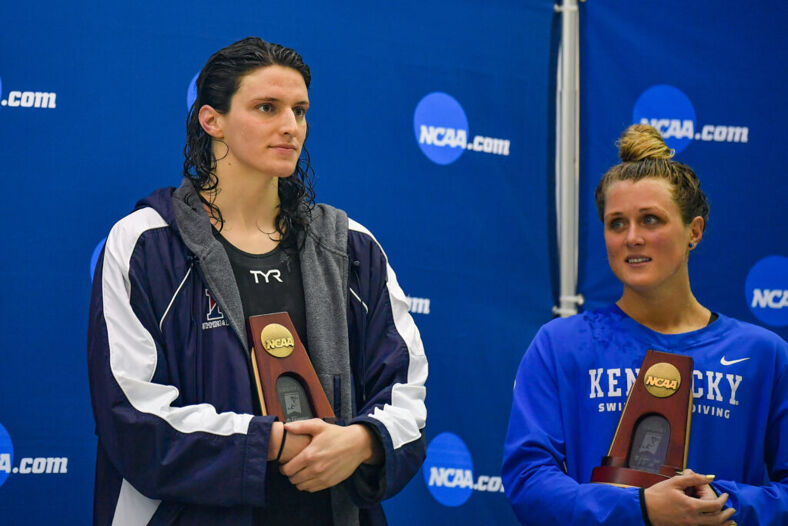

The waves of women's aquatic sports are making quite the splash at the NCAA Division II National Championships, showcasing the exceptional talent and relentless dedication of female swimmers and divers. This year's event is not only a testament to athletic prowess but also underscores a growing commitment to inclusivity and diversity within the sports community.
Held annually, these championships serve as a pinnacle of achievement for athletes who have honed their skills to perfection. The 2025 edition has been no different, featuring some of the most thrilling performances and setting new benchmarks in the world of collegiate aquatic sports.
Breaking Records and Making Waves
The pool was set ablaze with record-breaking performances. Swimmers like Natalia Dwojak from Wingate University, whose outstanding performance in the 200-meter freestyle left the audience in awe, have been pivotal in elevating the competition's prestige. According to NCAA statistics, participation in women's swimming and diving has seen a significant increase, reflecting the sport's growing popularity and support.
"The support we have received is unparalleled," said Dwojak in a post-race interview. "It's not just about swimming fast; it's about representing diversity and inspiring the next generation of athletes."
Diversity and Inclusion at the Forefront
This year, the championships have also emphasized the importance of diversity. The increasing number of diverse athletes participating is a testament to the efforts by schools and sports bodies to make aquatic sports more inclusive. Programs aimed at reaching out to underrepresented communities have played a crucial role in this development.
"Swimming has become a platform for dialogue on inclusivity," noted Amy Burns, a sports analyst. "The representation on display at the NCAA Division II Championships highlights the strides being made towards greater equity in sports."
The Road Ahead
Looking forward, the NCAA has pledged to continue its support for women's sports, focusing on expanding opportunities and improving facilities across campuses nationwide. This commitment is crucial for maintaining the momentum gained in recent years.
Athletes like Izzy Paez from Wesleyan University, who competed in the 100-meter backstroke, embody the spirit of these championships. "Every dive, every stroke is a step towards breaking barriers," Paez remarked. "We compete not just for ourselves, but for every young girl who dreams of swimming on this platform."
Community and Global Impact
The championships also serve as a community-building event, offering young athletes a chance to connect with peers and mentors. Additionally, the influence of these competitions extends beyond national borders, promoting a global dialogue on the role of women in sports.
This year’s championships are a shining example of how sports can bridge gaps and build communities. By fostering an environment of mutual respect and shared goals, the NCAA Division II National Championships continue to lead the way in redefining the landscape for women in aquatic sports.
A Vision for the Future
As the championships draw to a close, the impact of these events will resonate throughout the athletic community and beyond. The narrative of empowered athletes like Dwojak and Paez is one of triumph over adversity, offering a beacon of hope and inspiration.
The future of women's swimming and diving looks promising, buoyed by a wave of enthusiasm and support that shows no sign of receding. As more athletes dive into the world of competitive swimming and diving, the splash they make will surely ripple across generations, paving the way for a more inclusive and diverse sports community.
In conclusion, the NCAA Division II National Championships not only celebrate the achievements of its athletes but also highlight the transformative power of sports in promoting inclusivity and diversity. As the world watches these remarkable women dive into success, one thing is clear: the future of women's aquatic sports is brighter than ever.