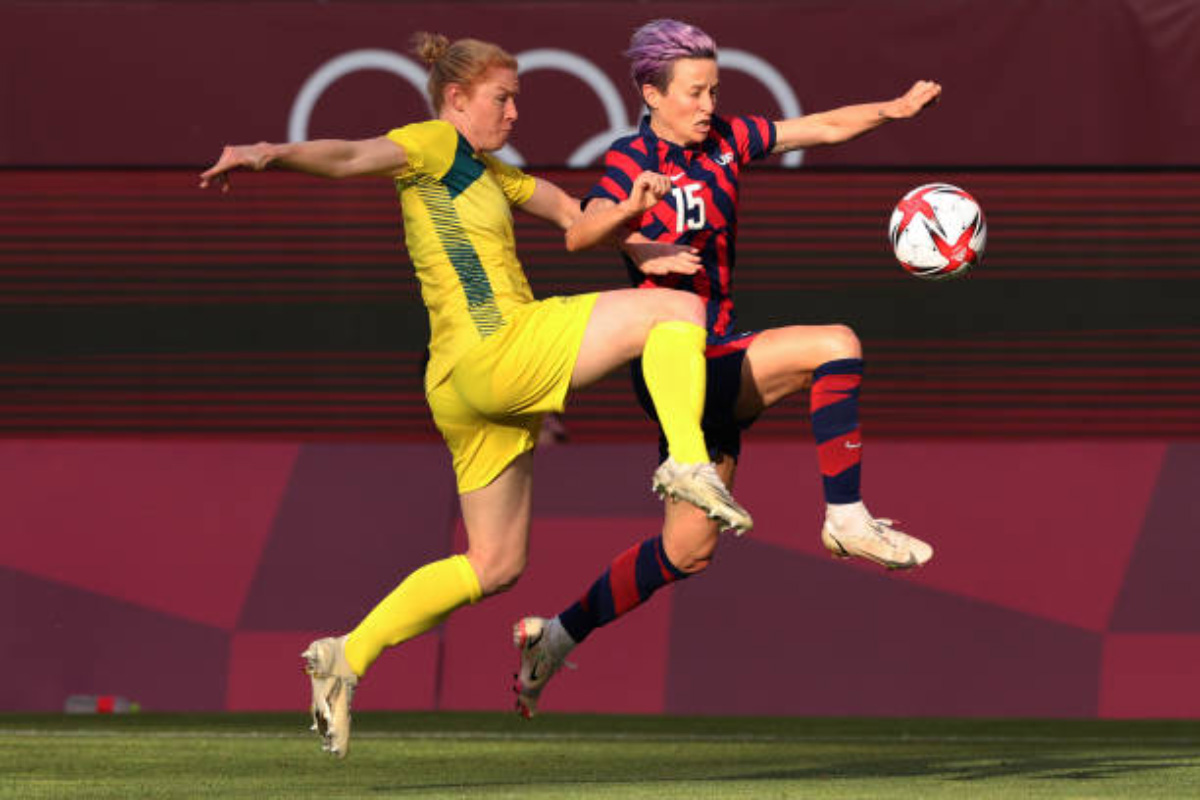
In the ever-evolving landscape of sports, there is a dynamic shift on the horizon—women's sports are not just gaining ground; they're taking center stage. From the sleek courts of basketball to the expansive fields of soccer, female athletes are not only participating but are setting the pace, inspiring millions with their prowess and passion. This phenomenon isn't merely a trend; it's a movement. Welcome to the age where women in sports are breaking barriers and shattering stereotypes.

The Power of the Court and the Field
The rise of women's sports is a testament to resilience, dedication, and sheer talent. Consider this: in recent years, the viewership for women's sports events has soared. The Women's World Cup in 2023 broke records with a staggering 1.12 billion viewers tuning in globally. Such numbers are not just statistics; they represent a seismic shift in the perception and appreciation of women's sports worldwide.
Trailblazers like Serena Williams in tennis and Megan Rapinoe in soccer have become household names, not just for their athletic achievements but for their advocacy. Rapinoe, a forward for the U.S. Women's National Soccer Team, has been vocal about gender equality and pay equity, sparking global conversations and policy changes. "It's about using our platform for something more than just sports," Rapinoe declared in a widely covered interview.
Empowerment Through Representation
Women's sports are not just about the athletes but the message they carry—empowerment through representation. The visibility of female athletes across various platforms has a profound impact on aspiring athletes. Young girls can now see themselves in sports careers, thanks to the visibility of women who have paved the way. As basketball legend Sue Bird once said, "You can't be what you can't see." This visibility is crucial in inspiring the next generation of female athletes.

Breaking Stereotypes and Defying Odds
Sports have long been a domain dominated by men, but the tide is changing. According to data from the Women's Sports Foundation, there has been a 60% increase in female participation in sports since 2010. This rise is attributed to the dismantling of stereotypes that have traditionally hindered women's participation. Athletes like Simone Biles in gymnastics have shown that women can excel in sports that demand both physical prowess and mental fortitude.
Moreover, the financial backing for women's sports has seen significant improvements. Brands and corporations are increasingly recognizing the value of investing in female athletes and teams. The National Women's Soccer League (NWSL) recently secured a multimillion-dollar sponsorship deal, underscoring the growing commercial appeal of women's sports.
The Role of Technology and Social Media
In today's digital age, technology and social media play pivotal roles in amplifying the voices of female athletes. Platforms like Instagram and Twitter have become arenas where athletes can directly interact with fans, share their journeys, and advocate for causes they believe in. Naomi Osaka, a tennis powerhouse, uses her platform to address issues of mental health and racial equality, proving that athletes can be influencers beyond the sports arena.

Inspiring Future Generations
The impact of these athletes extends beyond their immediate achievements. By breaking barriers and challenging stereotypes, they are setting a precedent for future generations. Schools and colleges are seeing an uptick in female sports programs, and initiatives are being launched to encourage young girls to participate in sports.
Organizations like Girls on the Run and SheIS are at the forefront, empowering girls through sports and leadership programs. These efforts are crucial in creating a pipeline of talent and ensuring that the momentum in women's sports continues to grow.
Conclusion: A New Era for Women's Sports
The rise of women's sports is more than just a sports story; it's a narrative of empowerment, equality, and progress. As women continue to excel and inspire in the sports world, they are redefining what is possible, paving the way for future generations. In this new era, the question is not whether women's sports will continue to grow but how far they will go. As we celebrate these achievements, let's also commit to supporting and amplifying the voices of women in sports, ensuring that this movement doesn't just survive but thrives.
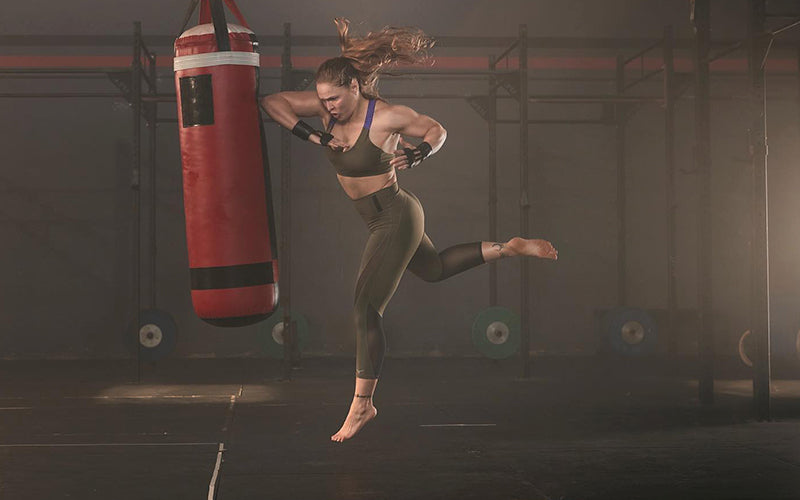
This is a call not just for sports enthusiasts but for society at large to recognize the power and potential of women in sports. From grassroots initiatives to professional arenas, the rise of women's sports is unstoppable—and it's a journey that promises to be as thrilling as it is inspiring.