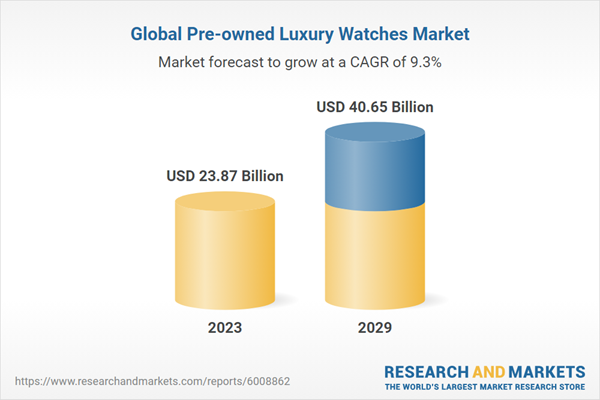
As the world turns its focus towards sustainable living, the fashion industry is not far behind, with pre-owned luxury emerging as a significant trend. In particular, the pre-owned luxury watch market is experiencing a renaissance, led by younger consumers in the Asia-Pacific (APAC) region. This shift not only reflects changing consumer preferences but also signifies a broader movement towards sustainable fashion.
The New Wave of Sustainable Luxury
The allure of owning luxury items has traditionally been associated with brand new, straight-from-the-boutique purchases. However, the landscape is shifting, with more savvy consumers embracing the pre-owned market. A recent report by Jing Daily highlights how younger buyers in the APAC region are driving this trend, contributing to an estimated USD 25 billion market value for pre-owned luxury watches.
This trend is more than just a preference for vintage or the allure of a good deal. It signifies a conscious choice towards sustainability. "Younger consumers are more environmentally conscious and see pre-owned luxury as a way to enjoy high-end fashion without contributing to waste," says fashion analyst Mei Lin. "It’s about making a statement that luxury can be both stylish and sustainable."
An Eco-Conscious Fashion Statement
The shift towards pre-owned luxury is not just about economic savvy; it's about making eco-conscious choices. The fashion industry has long been criticized for its environmental impact, and consumers are increasingly aware of the carbon footprint associated with manufacturing new products. By choosing pre-owned watches, these consumers are reducing demand for new production, thus lessening their environmental impact.
Moreover, this movement is supported by luxury brands themselves. Companies like Rolex and Cartier have started embracing the pre-owned market, recognizing its potential and aligning with consumer values. According to a study by BCG, brands that incorporate sustainable practices, including supporting the resale of their products, are more likely to retain and attract younger customers.
APAC: The Rising Star in Luxury Fashion
The APAC region, particularly cities like Shanghai and Tokyo, is becoming a hub for sustainable fashion. The younger demographic in these cities is redefining luxury, moving away from the traditional notion of brand-new exclusivity. This demographic is not only influencing market trends but also inspiring brands to rethink their strategies.
Brands are creating ecosystems that integrate sustainable practices into their core operations. For instance, luxury brands in China are embedding women-centric initiatives into their strategies, promoting not just fashion but a lifestyle of empowerment and sustainability (Jing Daily).
The Future of Fashion: A Circular Economy
The rise of pre-owned luxury watches is a microcosm of a larger shift towards a circular economy in fashion. This model encourages reuse, recycling, and upcycling of products, extending their lifecycle and minimizing waste. Fashion experts believe this could be the future of the industry, where brand-new products are not the default choice.
"The circular economy in fashion is not just a trend; it's a necessity," states eco-fashion expert, Emma Chen. "As resources become scarcer, the industry must adapt by embracing sustainability at every level, from design to consumer purchase."
Empowerment Through Sustainable Choices
For many young consumers, purchasing pre-owned luxury items is also about empowerment. It's a way to express individuality and make a personal statement about values and priorities. By choosing pre-owned, consumers are not only saving money but also taking a stand for responsible consumption.
Fashion influencer and sustainability advocate, Li Wei, notes, "Wearing a pre-owned luxury watch is like wearing a badge of honor. It shows that you are thoughtful, stylish, and care about the planet."
Conclusion
The rise of pre-owned luxury, particularly in the APAC region, reflects a broader cultural shift towards sustainable fashion. As younger consumers lead the charge, the fashion industry is being pushed to innovate and adapt to a more environmentally friendly model. With brands and consumers working together, the future of fashion looks not only stylish but also sustainable.
In an era where fashion choices can no longer be separated from environmental and ethical considerations, the movement towards pre-owned luxury represents a beacon of change. As this trend continues to grow, it not only transforms the market but also sets a new standard for what luxury should embody in the 21st century.