
In the world of fashion, 2025 is not just another year; it’s a revolution driven by sustainability, innovation, and a newfound consumer consciousness. As the runway lights dim on traditional fast fashion, a new era of eco-friendly style emerges, captivating hearts and wardrobes alike. This year, the fashion industry is embracing sustainability with open arms, turning to eco-friendly materials like Tencel and smart textiles that promise both performance and environmental responsibility. This transformation not only meets consumer demands but also sets a new standard for what it means to be stylish and sustainable.

The Rise of Slow Fashion
Slow fashion, a movement that emphasizes quality and timelessness over transient trends, is gaining momentum. It encourages consumers to make more conscious choices, focusing on durability and sustainability. According to Heuritech, a leader in fashion forecasting, brands are utilizing AI-driven insights to balance sustainability with quality and functionality. This data-driven approach helps brands adapt to market demands, ensuring they stay competitive in this rapidly evolving landscape.
"Eco-consciousness is no longer an afterthought," notes fashion consultant Noémie. "Consumers are increasingly prioritizing sustainable practices, from recycled materials to ethical production methods. This shift is reshaping purchasing decisions and making eco-friendly products an essential addition to modern wardrobes."
Eco-Friendly Materials Leading the Charge
At the forefront of this sustainable shift are innovative materials like Tencel, which is derived from sustainably sourced wood pulp. Known for its softness, breathability, and environmental benefits, Tencel is becoming a staple in eco-friendly collections. Additionally, smart textiles are revolutionizing the industry by offering enhanced performance features, such as moisture-wicking and temperature regulation, while maintaining an eco-friendly footprint.
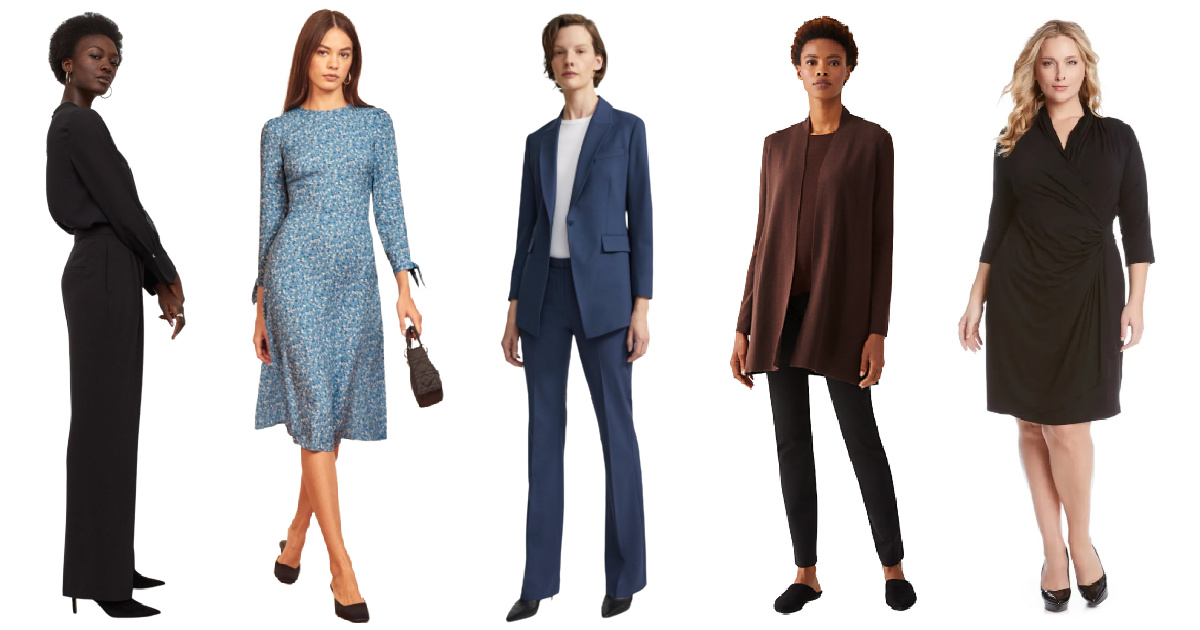
Brands like Stella McCartney and Patagonia are pioneers in this realm, consistently pushing the boundaries of sustainable fabric innovations. Their commitment to eco-friendly materials not only reduces environmental impact but also sets a precedent for other brands to follow.
Ethical Production Practices
Beyond materials, ethical production is a critical component of sustainable fashion. This involves fair labor practices, transparent supply chains, and minimal environmental impact during production. Brands are increasingly held accountable by consumers who demand transparency and ethical integrity. For instance, Everlane's radical transparency model, which details cost breakdowns and factory conditions, has set a new standard for the industry.
The fashion industry's move towards ethical production is not just a trend but a necessary evolution. A report from Cosmopolitan emphasizes that "brands must balance sustainability with quality and functionality to remain relevant and meet the growing consumer demand for ethical fashion."
Digital Influence and Consumer Empowerment
Social media platforms like Instagram and TikTok have played a significant role in promoting sustainable fashion. Hashtags such as #sustainablefashion and #ecofriendlystyle have amassed millions of views, inspiring a global audience to embrace eco-consciousness. Influencers and celebrities are pivotal in this shift, using their platforms to promote sustainable brands and practices.
"The digital age empowers consumers to make informed choices," says Sandy Okamoto, founder of Style Options. "With access to information and reviews, shoppers are more discerning, prioritizing sustainability and ethical production when making purchases."
The Future of Fashion: Sustainable and Stylish
As we look to the future, the fusion of sustainability and style is not just a possibility but an imperative. The fashion industry must continue to innovate, leveraging technology and creativity to create clothing that is both chic and eco-friendly. This includes exploring new materials, refining production processes, and enhancing transparency.
The shift towards sustainable fashion is not merely about reducing harm but about creating a positive impact. By embracing eco-friendly practices, the industry can contribute to a healthier planet and a more equitable world. As consumers, we have the power to drive this change by supporting brands that align with these values.
In conclusion, the fashion industry of 2025 and beyond is defined by its commitment to sustainability. With eco-friendly materials, ethical production practices, and a focus on timeless design, sustainable fashion is not just a trend; it's the future of style. As we continue to evolve, the fusion of sustainability and fashion will inspire a new generation of conscious consumers, empowering them to express their individuality while caring for the planet.