Sustainability in Style: Fashion's Green Revolution
As the world becomes increasingly eco-conscious, the fashion industry is undergoing a transformative green revolution. No longer just a passing trend, sustainability has become a core principle for leading fashion brands and designers, reshaping the industry from the ground up. From eco-friendly materials to innovative recycling initiatives, the fashion world is embracing sustainability with open arms.
The Rise of Eco-Friendly Materials
In the quest for sustainability, many fashion brands are turning to eco-friendly materials, such as organic cotton, bamboo, and recycled polyester. These materials not only reduce the environmental impact of clothing production but also offer versatility and comfort to consumers. Notably, Harry Pontefract has been at the forefront of this movement, crafting unique unisex fashion pieces from unexpected upcycled materials. His approach highlights how creativity can drive sustainable innovation, setting a new standard for eco-friendly design in the fashion industry.

Sustainable Supply Chains
The complexities of global supply chains have long been a challenge for the fashion industry. However, brands are now reevaluating their supply chains to minimize their environmental footprint. According to Tosha Hays, Executive Vice President of Venus, "Brands should be thoroughly re-evaluating their supply chain strategies right now." By sourcing materials locally and opting for fair-trade, ethical practices, companies are not only enhancing sustainability but also supporting local economies and communities.
Recycling Initiatives and Circular Fashion
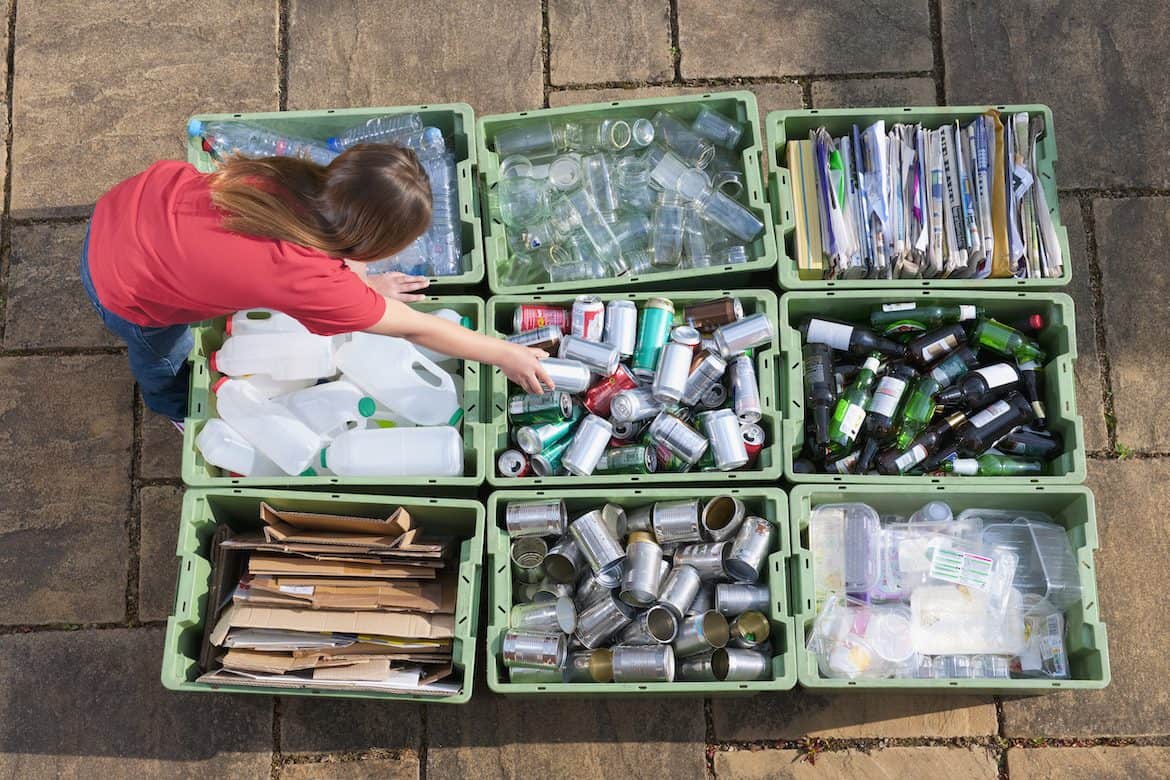
Recycling initiatives are gaining momentum in the fashion industry, with brands implementing programs to encourage customers to recycle their old garments. This shift towards a circular fashion model aims to keep clothing out of landfills and in circulation. For instance, brands like Patagonia and Eileen Fisher offer take-back programs, where customers can return used items for recycling or resale, promoting a longer lifecycle for each garment.
The Power of Transparency
As consumers become more informed, they are demanding greater transparency from fashion brands. This push for transparency is not just about revealing production processes but also about ensuring ethical practices throughout the supply chain. Sustainability consultant Rebecca Green emphasizes, "Sustainability isn't just a trend; it's a necessity. Consumers are demanding transparency and responsibility from the brands they support."
Fashion Weeks Embracing Sustainability
Fashion weeks around the globe are now showcasing eco-friendly designs and sustainable practices. Events like the Venice Sustainable Fashion Forum highlight how fashion can be both stylish and sustainable, setting new benchmarks for the industry. Designers are leveraging these platforms to demonstrate their commitment to sustainability, featuring collections that prioritize eco-friendly materials and processes.

Fashion's Responsibility in the Climate Crisis
The fashion industry, known for its significant environmental impact, faces increasing pressure to reduce its carbon footprint. By adopting sustainable practices, the industry can play a pivotal role in combating climate change. Brands that integrate sustainability into their core values are not only contributing positively to the environment but are also building loyalty among conscious consumers.
How Consumers Can Support the Green Revolution
Consumers play a critical role in driving the fashion industry's shift towards sustainability. By supporting brands that prioritize eco-friendly practices, shopping second-hand, and advocating for change, consumers can influence the industry's trajectory. Additionally, consumers can reduce their own environmental impact by choosing quality over quantity, embracing timeless pieces, and participating in clothing swaps.
The Future of Sustainable Fashion
The future of fashion lies in sustainability, with innovation leading the way. As technology advances, we can expect to see more breakthroughs in sustainable materials and production methods. The industry must continue to evolve, seeking new ways to meet consumer demand while safeguarding the planet.
As fashion undergoes this transformative green revolution, it stands as a beacon of hope for a more sustainable future. By embracing eco-friendly practices, the industry is not only reinventing itself but also empowering individuals to express their personal style responsibly. The fashion world is proving that style and sustainability can coexist, offering a model for other industries to follow.