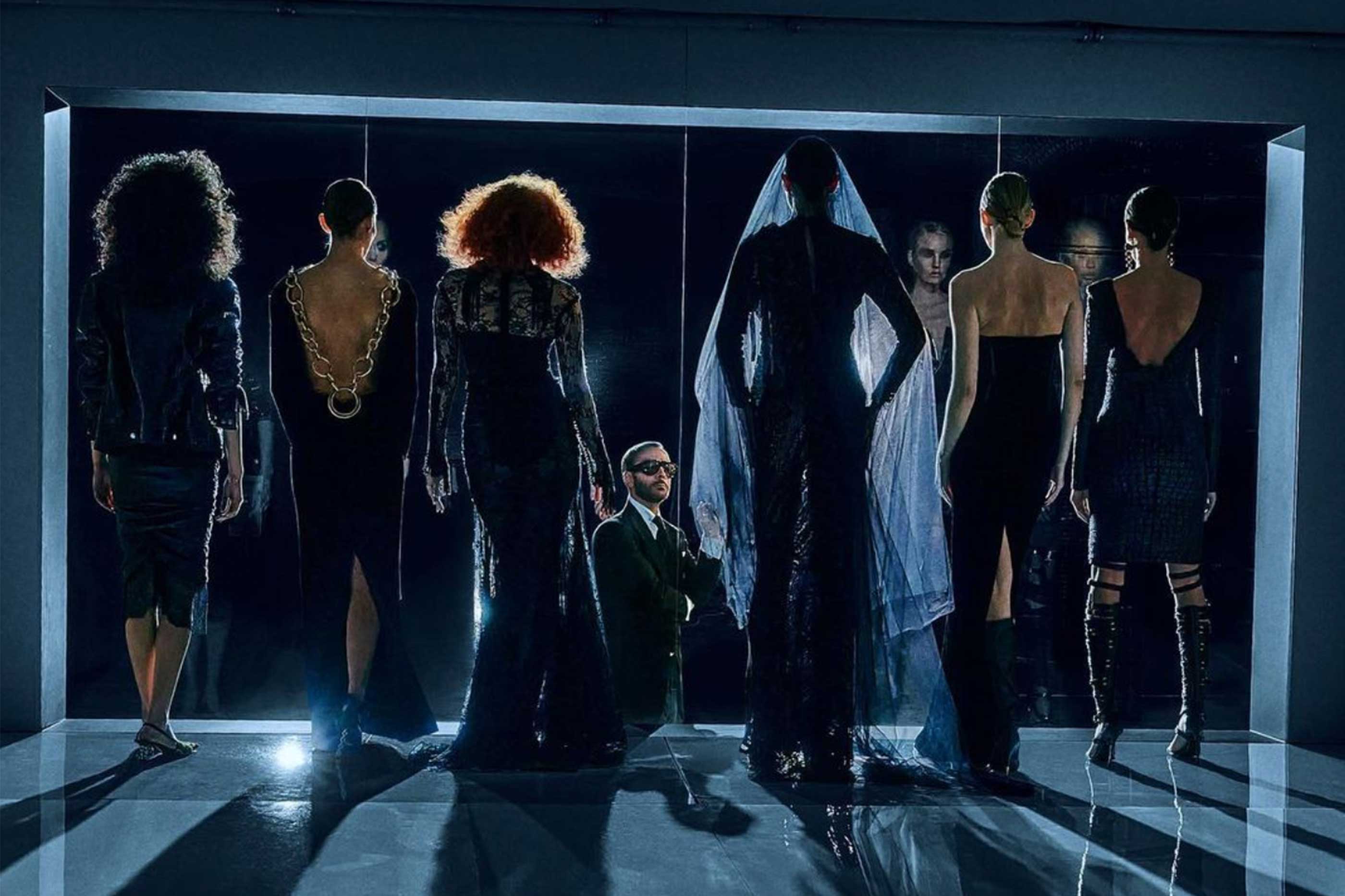
This season's Paris Fashion Week was nothing short of a sartorial spectacle, with a defining theme: the transformative power of new creative directors at the helm of fashion's most prestigious houses. As the world's style elite descended upon the City of Light, all eyes were on the fresh creative forces steering brands like Tom Ford and Givenchy into uncharted waters.
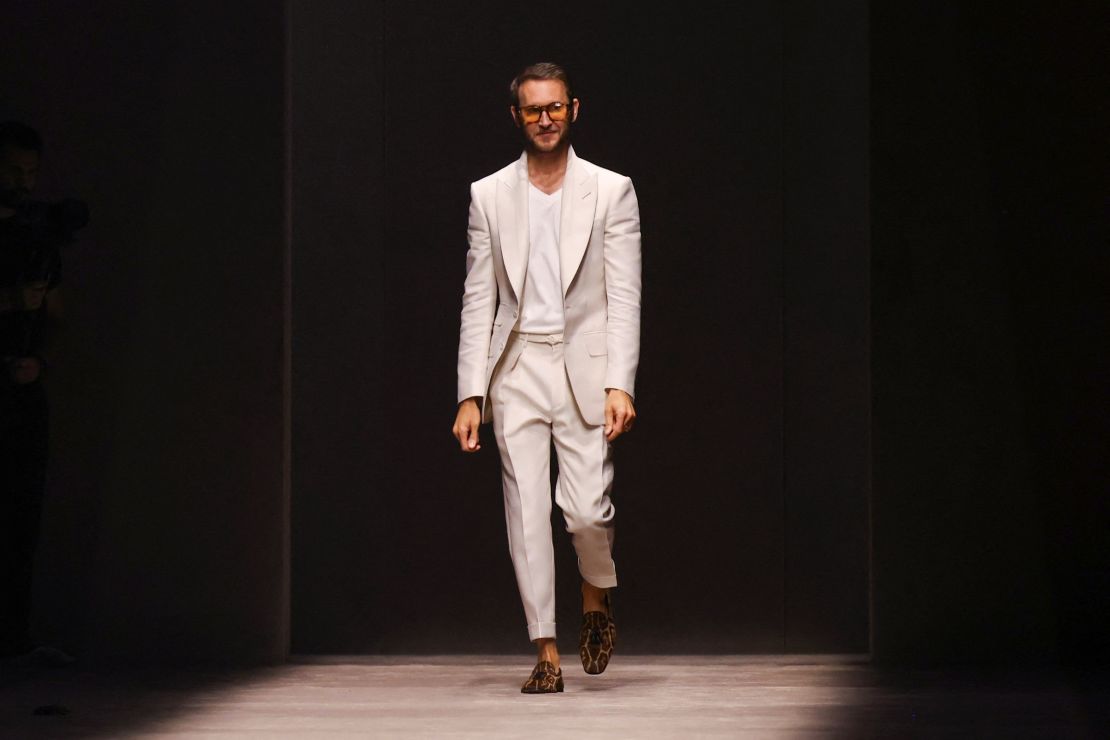
The most buzzed-about debut was undoubtedly Haider Ackermann, who took center stage with his inaugural collection for Tom Ford. Known for his poetic designs and impeccable craftsmanship, Ackermann's appointment has been a topic of industry speculation since September 2024. His first show on March 5 was a masterclass in melding the avant-garde with the commercially viable, a balancing act crucial for maintaining the brand's edgy yet accessible allure.
Erin Mullaney Page, a seasoned insider and former merchandising director at Tom Ford, summed up the moment perfectly: "It's a rare industry event that happens maybe every five years." Ackermann's direction is expected to elevate the quality of Tom Ford's offerings, particularly as the brand transitions its womenswear production in-house under the stewardship of Zegna Group, which acquired control in 2023.

The anticipation around Ackermann's debut was palpable, and not just within industry circles. Red carpet placements served as the first stage for these new designs, with stars like Elle Fanning and Timothée Chalamet donning Givenchy at the Oscars in February, ahead of the runway. This strategic use of celebrity endorsements highlights how fashion houses are increasingly leveraging pop culture to generate buzz and reach broader audiences.
But the glamour of Paris Fashion Week also underscored a more sobering reality: the substantial financial and cultural investment required to keep luxury brands relevant. While the introduction of a new creative director can rejuvenate a brand's image and capture public imagination, it is not a guaranteed recipe for success. As luxury consultant Morency notes, brands must pivot beyond reliance on creative director changes alone, focusing instead on authentic cultural engagement and enhanced customer experiences.
This is a lesson echoed by brands like Miu Miu and Jil Sander, which have seamlessly integrated fashion with arts and culture. Miu Miu, for instance, has been hosting its Women’s Tales film series since 2011, premiering at prestigious venues like the Venice International Film Festival. Jil Sander sponsored the Matter and Shape design fair in March 2025, underscoring a commitment to authentic cultural partnerships.
However, the transition to new creative leadership isn't always smooth. Jil Sander, for example, faces challenges following the departure of creative directors Luke and Lucie Meier. Their exit has already sparked internal restructuring, reminiscent of the shake-up seen at Burberry under Daniel Lee, who overhauled both team and branding.
As these iconic brands navigate the volatile seas of creative transition, the stakes have never been higher. The direction a new creative leader takes can redefine a brand's legacy, market position, and influence in the fashion ecosystem. It's a delicate dance of innovation and tradition, where visionary leadership is essential for maintaining a brand's voice amidst the cacophony of modern fashion.
In the ever-evolving narrative of luxury fashion, the appointment of a new creative director is both a beacon of hope and a harbinger of change. It speaks to the industry's perpetual quest for renewal and relevance, a reminder that in the world of high fashion, transformation is the only constant. As Paris Fashion Week wraps up, the echoes of these bold new visions will undoubtedly reverberate through the halls of luxury fashion for seasons to come.