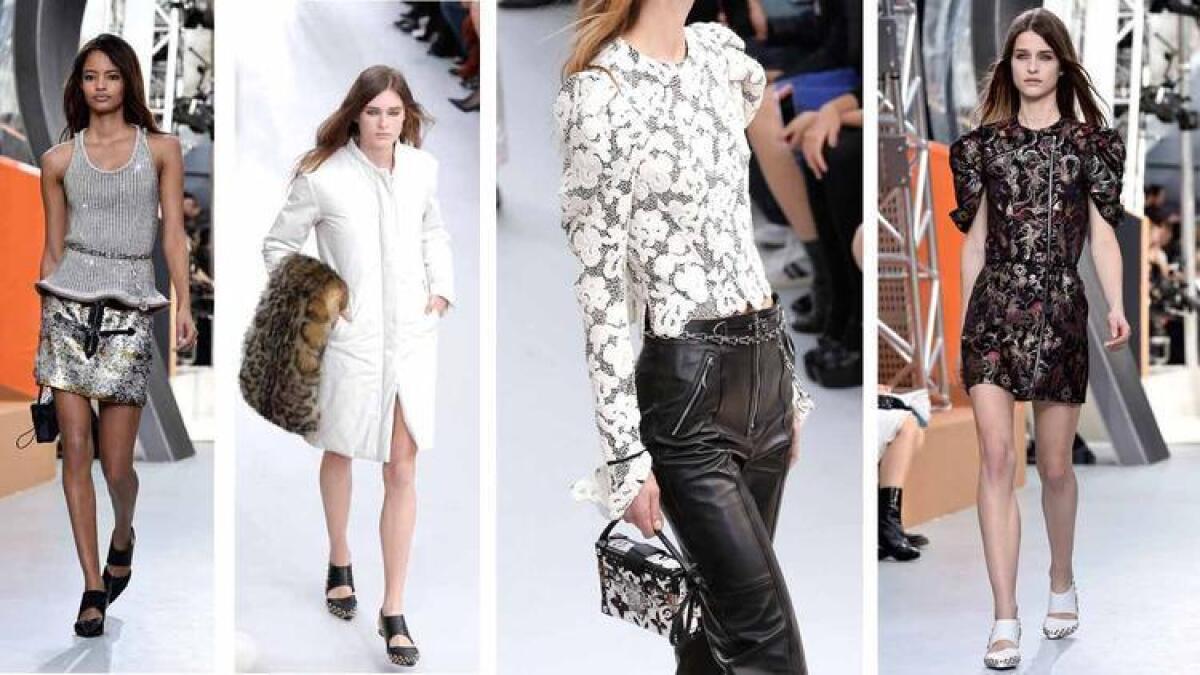
The fashion world is no stranger to change, but the recent shifts in creative leadership at some of the top luxury houses have set the industry abuzz, signaling a transformative era. As the fashion elite descended upon Paris for the revered Paris Fashion Week, it became clear that the appointments of new creative directors were not just reshuffling the deck—they were setting the stage for a new chapter in luxury fashion.
Haider Ackermann at Tom Ford: A Bold New Direction
When Haider Ackermann took the reins at Tom Ford, the fashion world held its breath. Known for his avant-garde yet refined aesthetic, Ackermann's appointment was seen as a daring move by the brand. His debut collection, showcased on March 5, 2025, was a masterclass in merging the classic Tom Ford glamour with a fresh, contemporary edge. The collection featured a spectrum of rich textures and colors, bringing a new vibrancy to the house's signature sharp tailoring and sensual dresses. Critics and fashion enthusiasts alike were captivated, with many noting the seamless blend of tradition and innovation that Ackermann achieved.
Julian Klausner at Dries Van Noten: A Subtle Evolution
Meanwhile, Julian Klausner's quiet yet impactful debut at Dries Van Noten demonstrated a different approach to creative leadership. Klausner stayed true to the brand's DNA, focusing on luxurious textiles and intricate layering, but introduced a fresh take on the house's renowned jacquard mastery. The collection was a celebration of the past meeting the present, with a thoughtful nod to the brand's heritage while hinting at new directions. This strategic continuity was met with approval, suggesting that Klausner's vision could steer the brand into a new era without losing its core identity.
The Larger Impact on Luxury Fashion
These creative director shifts highlight a broader trend in the fashion industry: a move towards blending innovation with heritage. As brands seek to stay relevant in a rapidly changing market, they are increasingly turning to new creative leadership to infuse fresh energy into their collections. The stakes are high, as these changes are not just about crafting beautiful clothes—they are about redefining brand positioning and connecting with a new generation of consumers.
The impact of these shifts is multifaceted. On one hand, there is the artistic evolution within the collections themselves. On the other, there is the business implication, as luxury brands navigate the fine line between maintaining exclusivity and embracing broader cultural engagement. As noted by industry experts, relying solely on creative director changes is not enough. Brands must also focus on authentic partnerships and enhancing customer experiences to truly resonate in today's market.
A Look Ahead
The excitement around these new collections is palpable, but the real test will be in how these changes translate into commercial success and brand growth. With the fashion world watching closely, the new creative directors at Tom Ford and Dries Van Noten have set a high bar. Their ability to balance innovation with tradition will likely serve as a blueprint for other luxury houses facing similar transitions.
As we look to the future, these shifts remind us that fashion is an ever-evolving art form, constantly reinventing itself to reflect the times. Whether through bold new designs or subtle evolutions, the impact of these creative director changes will be felt for seasons to come, setting the tone for the next chapter in luxury fashion. As Ackermann and Klausner continue to push boundaries, they not only redefine the brands they helm but also contribute to the ongoing narrative of fashion as a dynamic and transformative force.