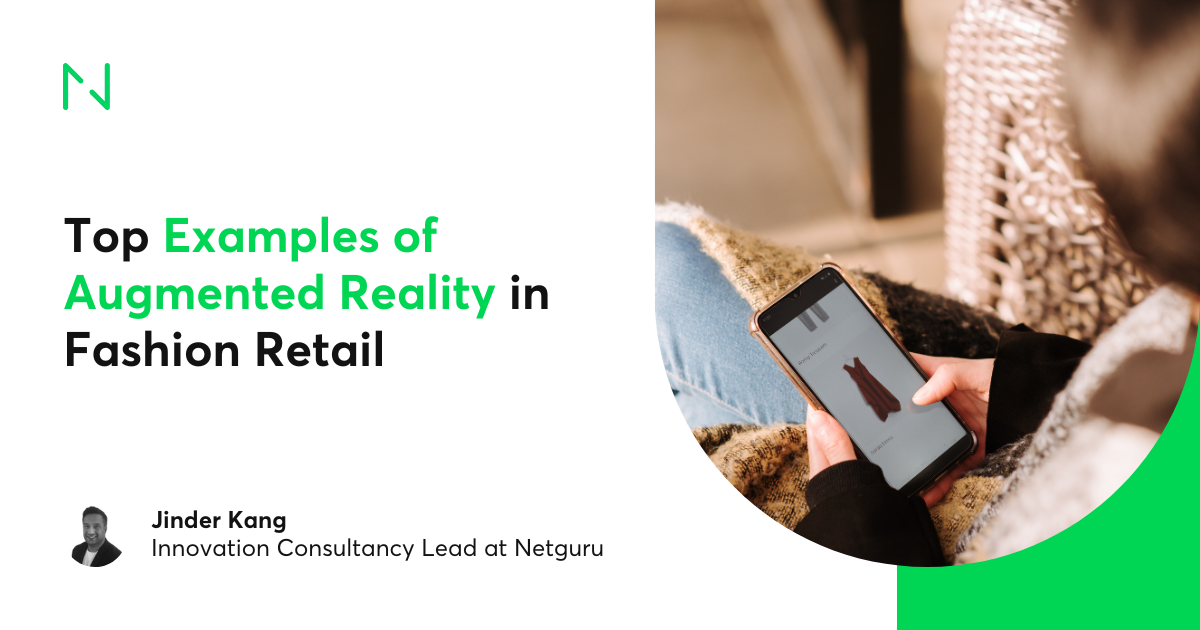
The Rise of Digital Fashion Shows: A New Frontier for the Industry
As the fashion industry evolves, the traditional catwalk is undergoing a significant transformation. Digital fashion shows have emerged as a revolutionary platform, reshaping how designers and brands present their collections. This transition is not just a response to technological advancements but a strategic move that offers unparalleled opportunities for broader audience reach and inclusivity.
Breaking Barriers with Technology
Digital fashion shows leverage cutting-edge technology to create immersive experiences that transcend geographical and economic barriers. By integrating augmented reality (AR) and virtual reality (VR), designers can showcase their collections in innovative ways, allowing audiences to experience the runway from the comfort of their homes. These technologies enable a more interactive experience, where viewers can explore garments in 360 degrees, enhancing their engagement with the collections.

This shift democratizes access to fashion shows, allowing anyone with an internet connection to participate in events that were once exclusive to industry insiders. It opens up a world of possibilities for fashion enthusiasts who can now enjoy front-row experiences without the associated costs.
Expanding Audience Reach and Engagement
Digital fashion shows have significantly broadened the reach of designers and brands. With platforms like social media and dedicated websites, these shows can attract a global audience. This broader reach is particularly beneficial for emerging designers who may not have the resources to hold traditional runway shows.
For instance, events like COTERIE have long been known for setting trends and building relationships within the industry. By adopting digital platforms, they can connect with a larger, more diverse audience, enhancing their influence and impact.
Moreover, digital shows facilitate real-time engagement with audiences through live chats and social media interactions. This immediate feedback loop allows designers to gauge audience reactions and adapt their strategies accordingly, fostering a more dynamic relationship between brands and consumers.
Innovation in Design and Presentation
The digital realm offers designers a unique canvas to experiment with new forms of expression. With fewer physical constraints, they can explore avant-garde concepts and incorporate digital elements into their collections. This freedom encourages creativity and innovation, leading to more diverse and exciting fashion narratives.
For example, designers can use digital platforms to tell stories that enhance the presentation of their collections. By combining fashion with multimedia elements like music, video, and animation, they can create rich, immersive experiences that captivate audiences and leave a lasting impression.
Marketing and Branding Opportunities
The rise of digital fashion shows also presents new marketing and branding opportunities. Brands can leverage data analytics to gain insights into audience preferences and tailor their marketing strategies accordingly. This data-driven approach allows for more targeted marketing efforts, increasing the effectiveness of campaigns.
Additionally, digital fashion shows enable brands to explore new business models, such as direct-to-consumer sales. By integrating e-commerce functionalities into their platforms, brands can offer immediate purchasing options for showcased items, enhancing the shopping experience and driving sales.

The Future of Fashion Shows
As the industry continues to embrace digital transformation, the future of fashion shows looks promising. The integration of AR, VR, and other digital technologies will continue to evolve, offering even more sophisticated and engaging experiences. These advancements will likely lead to a hybrid model, where physical and digital elements coexist, providing the best of both worlds.
Events like Texworld USA demonstrate the potential of combining in-person and digital experiences. By offering a comprehensive range of products and educational programs, these events cater to both physical attendees and online participants, maximizing their reach and impact.
Conclusion
Digital fashion shows are not just a temporary trend but a significant shift in the fashion industry. By embracing digital platforms, designers and brands can reach new audiences, foster innovation, and explore novel marketing opportunities. As technology continues to advance, the possibilities for digital fashion shows are limitless, heralding a new era of inclusivity and creativity in the fashion world.